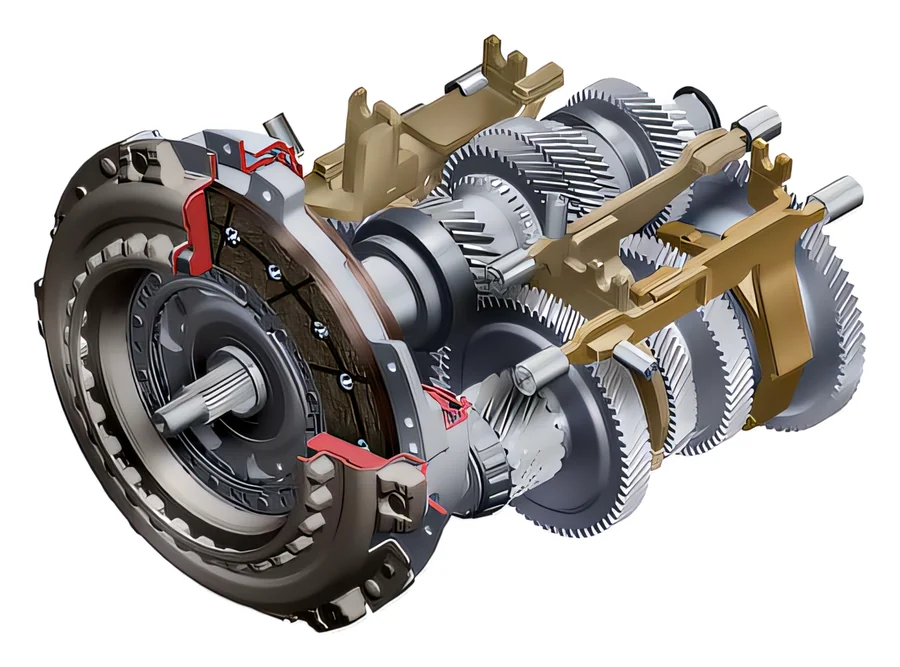
The new 7-speed double-clutch gearbox from Volkswagen
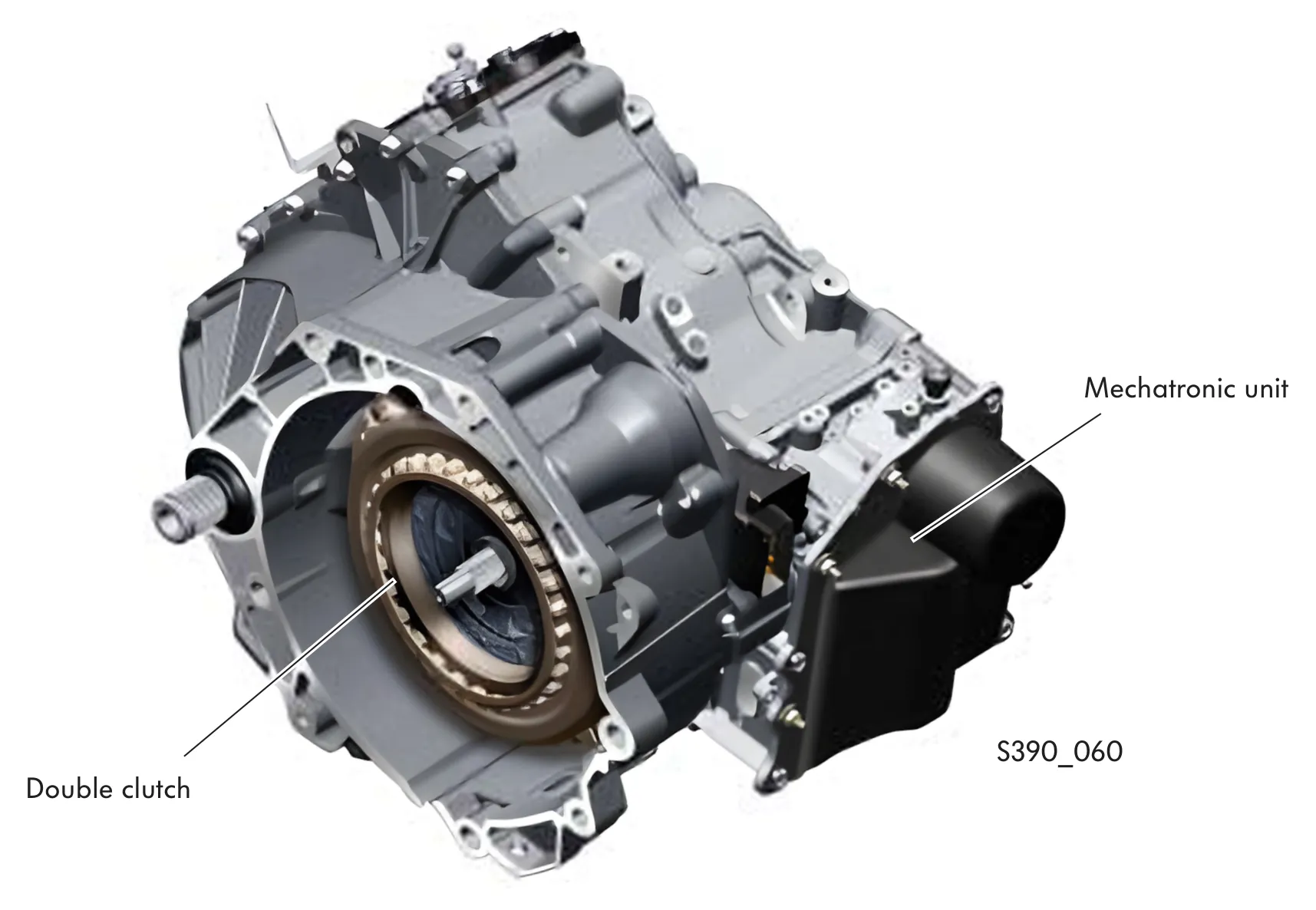
The 7-speed double-clutch gearbox 0AM is a further development of the very successful direct-shift gearbox 02E from Volkswagen. In terms of comfort and shifting without interrupting drive, it offers the same as the direct-shift gearbox 02E. It has been designed for engines with a torque of up to 250 Nm in the Polo, Golf, Passat and Touran.
Whilst the direct-shift gearbox is on a par with vehicles with manual gearbox in terms of fuel consumption, the double-clutch gearbox has succeeded in reducing fuel consumption below that of manual gearboxes by means of certain technical innovations in the gearbox.
This reduction in fuel consumption makes a significant contribution towards lowering emissions and safeguarding the environment.
In this self-study programme, you can find out how the new double-clutch gearbox functions and which technical highlights have helped to reduce fuel consumption.
We hope you enjoy reading it.
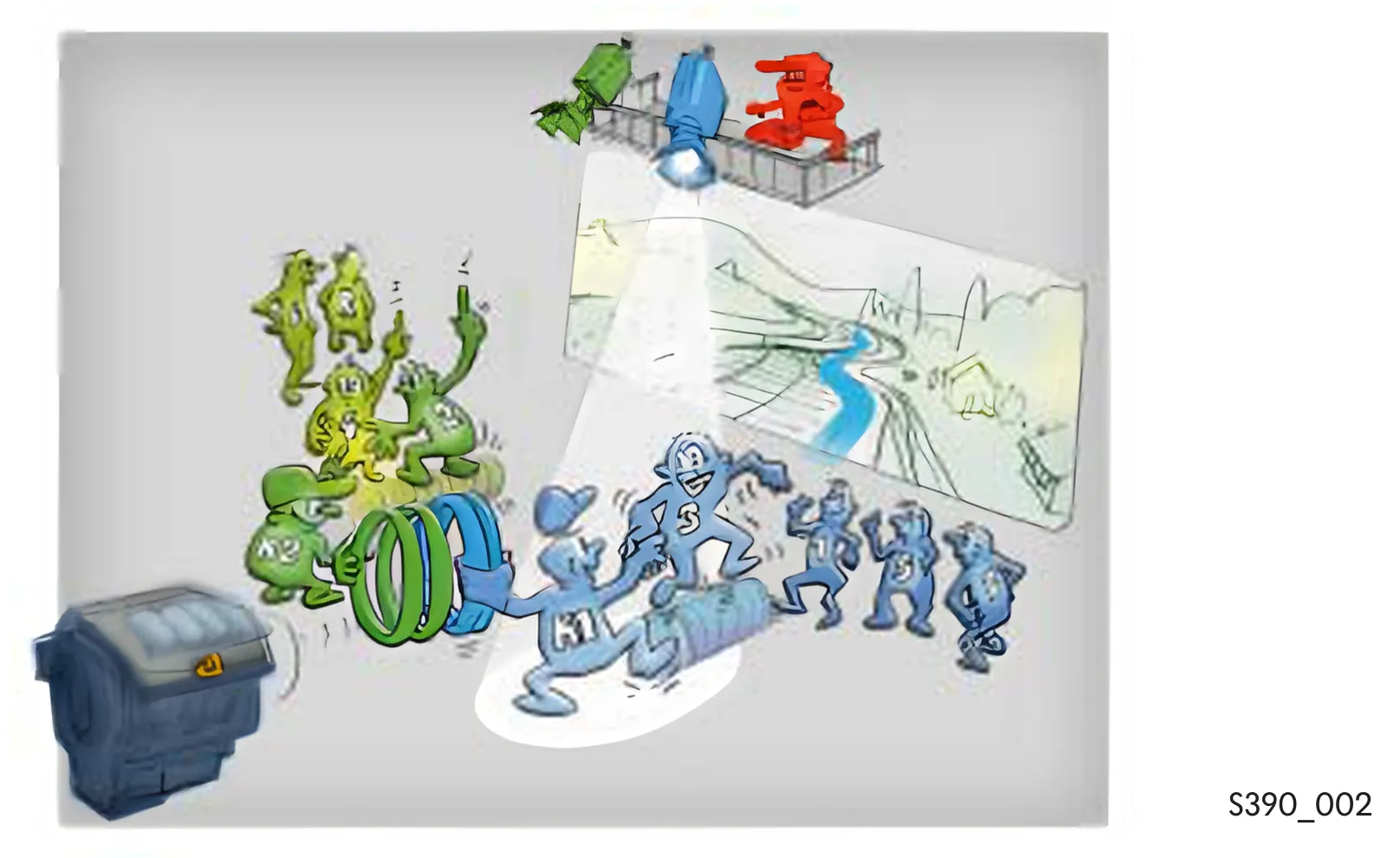
Chapters
- IntroductionWhat makes the 0AM a world first: its design features, the dry double clutch and the technical data of the gearbox.
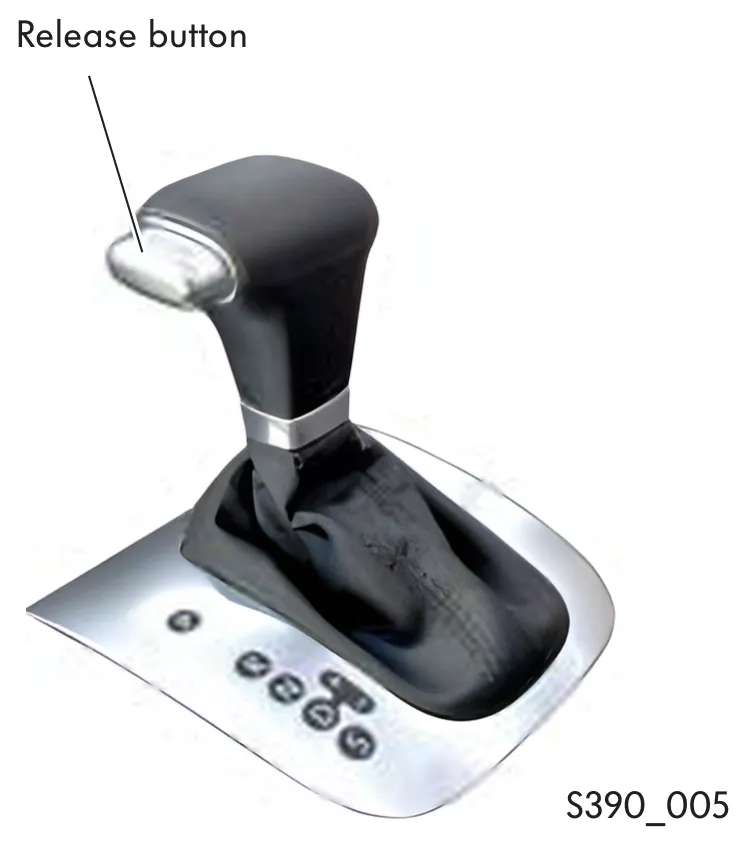
- Selector leverThe lever positions, selector lever E313, the lock solenoid N110 with its emergency release and the ignition key withdrawal lock.
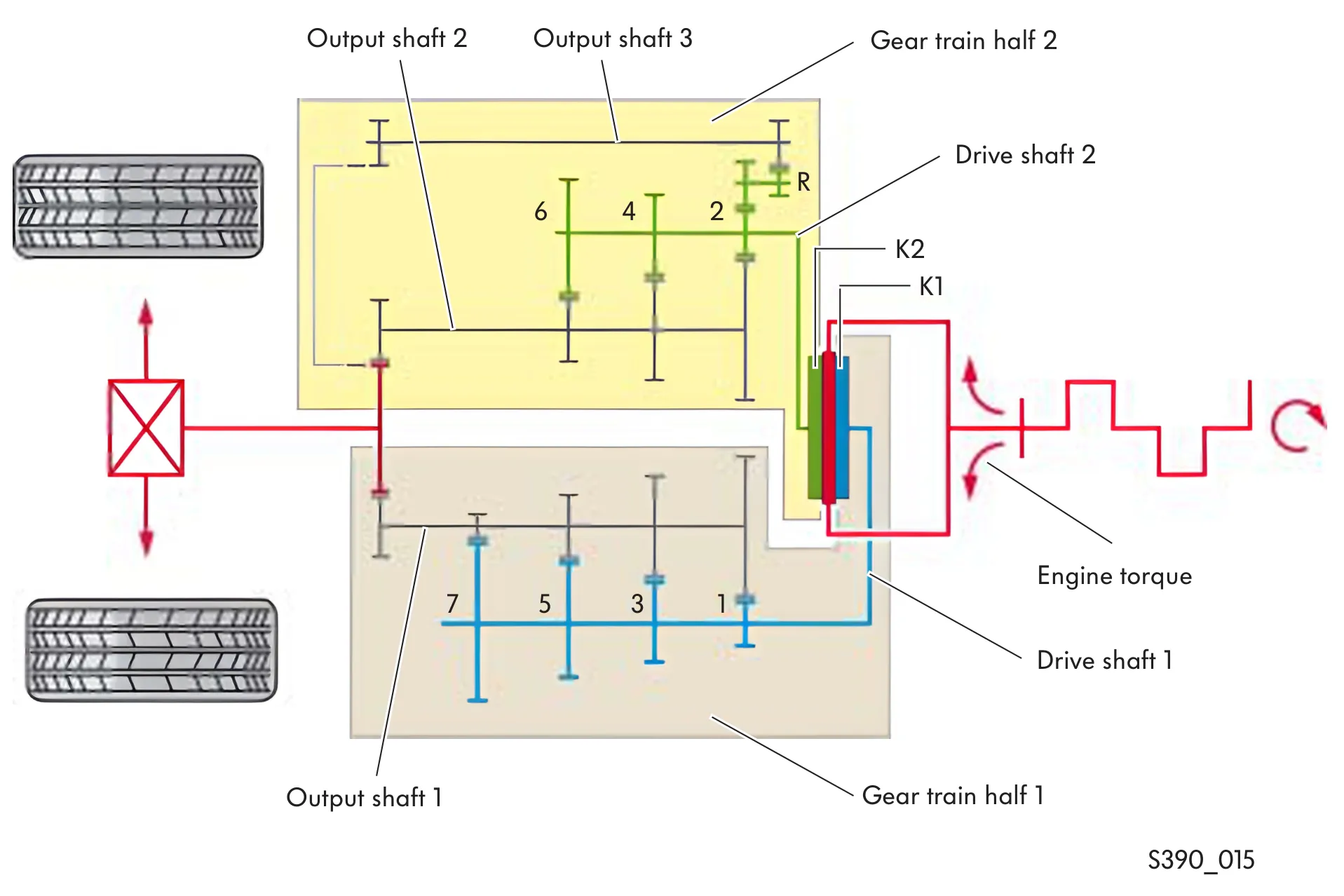
- Basic principleTwo independent gear train halves, each with its own clutch, and how the torque enters the double clutch from the dual-mass flywheel.
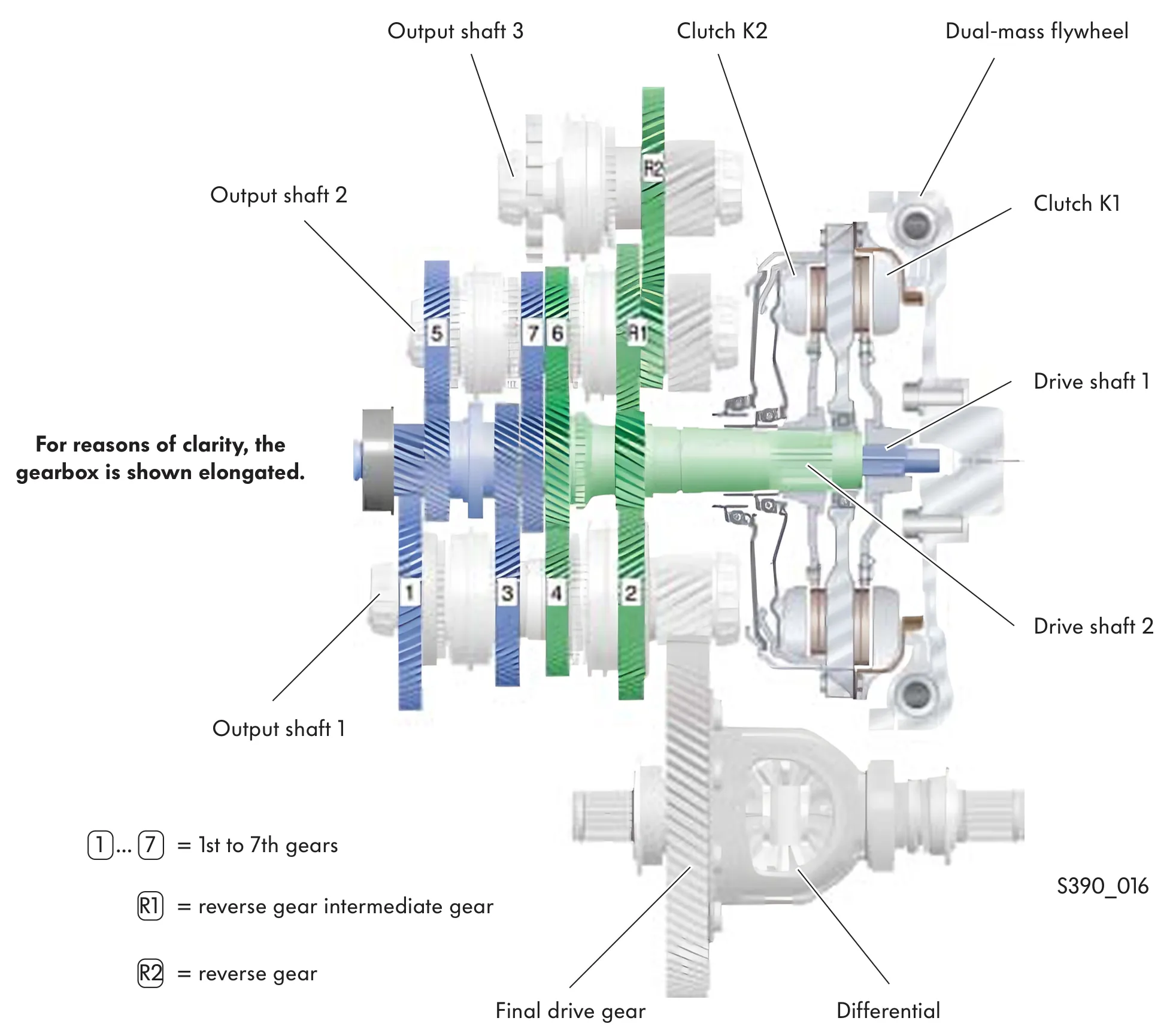
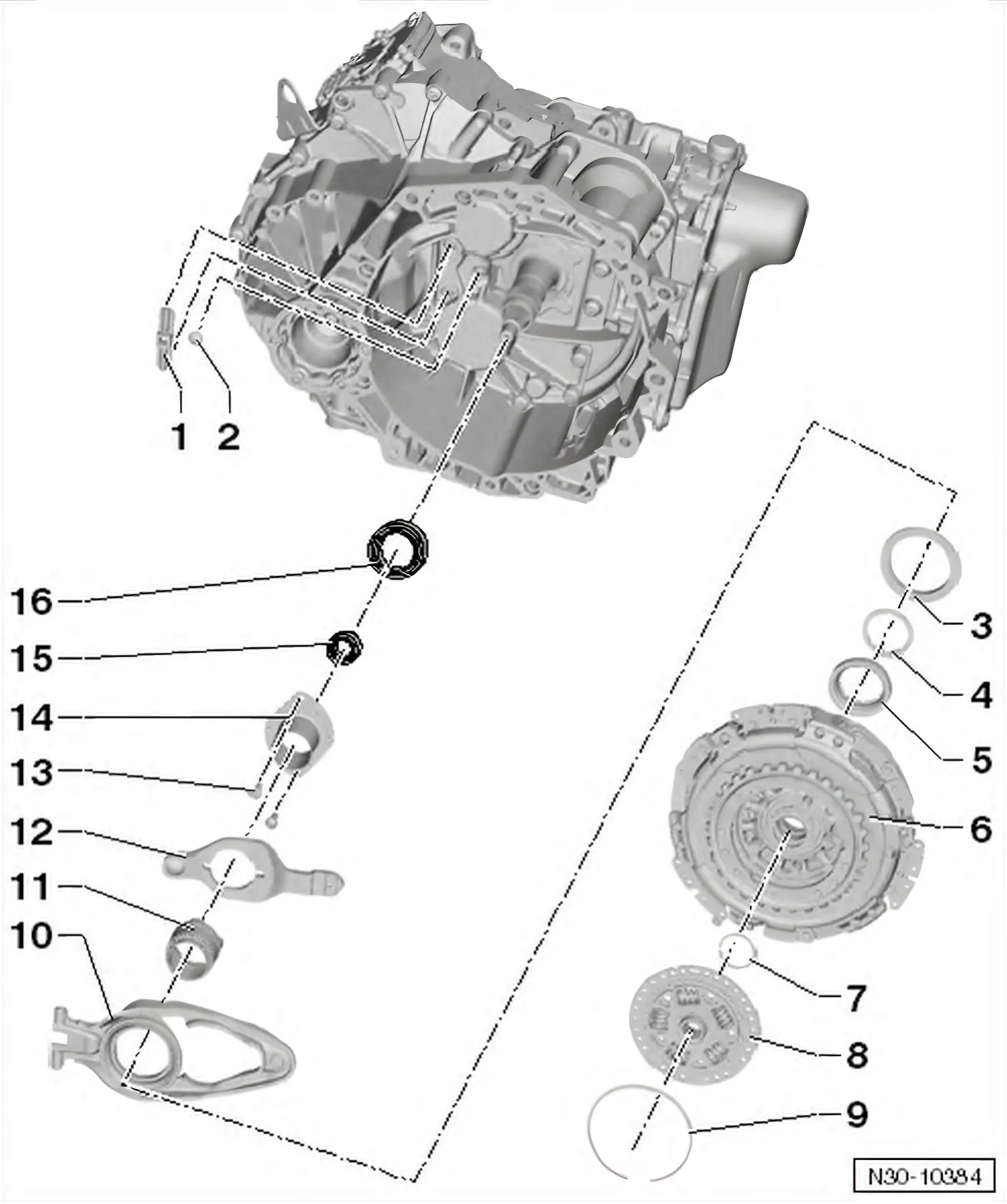
- Double clutch and torque curveThe dry double clutch: drive plate, clutches K1 and K2, and how each of them closes and transfers the torque.
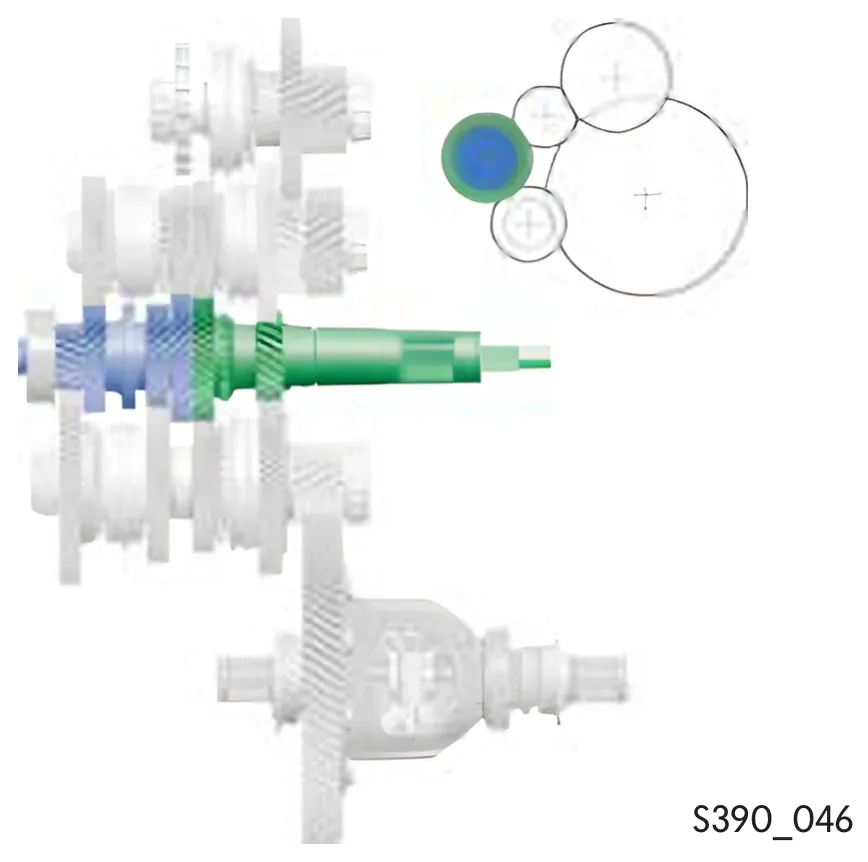
- Drive shafts, output shafts and differentialThe two drive shafts, the three output shafts with their gears and the differential, each with its position in the gearbox.
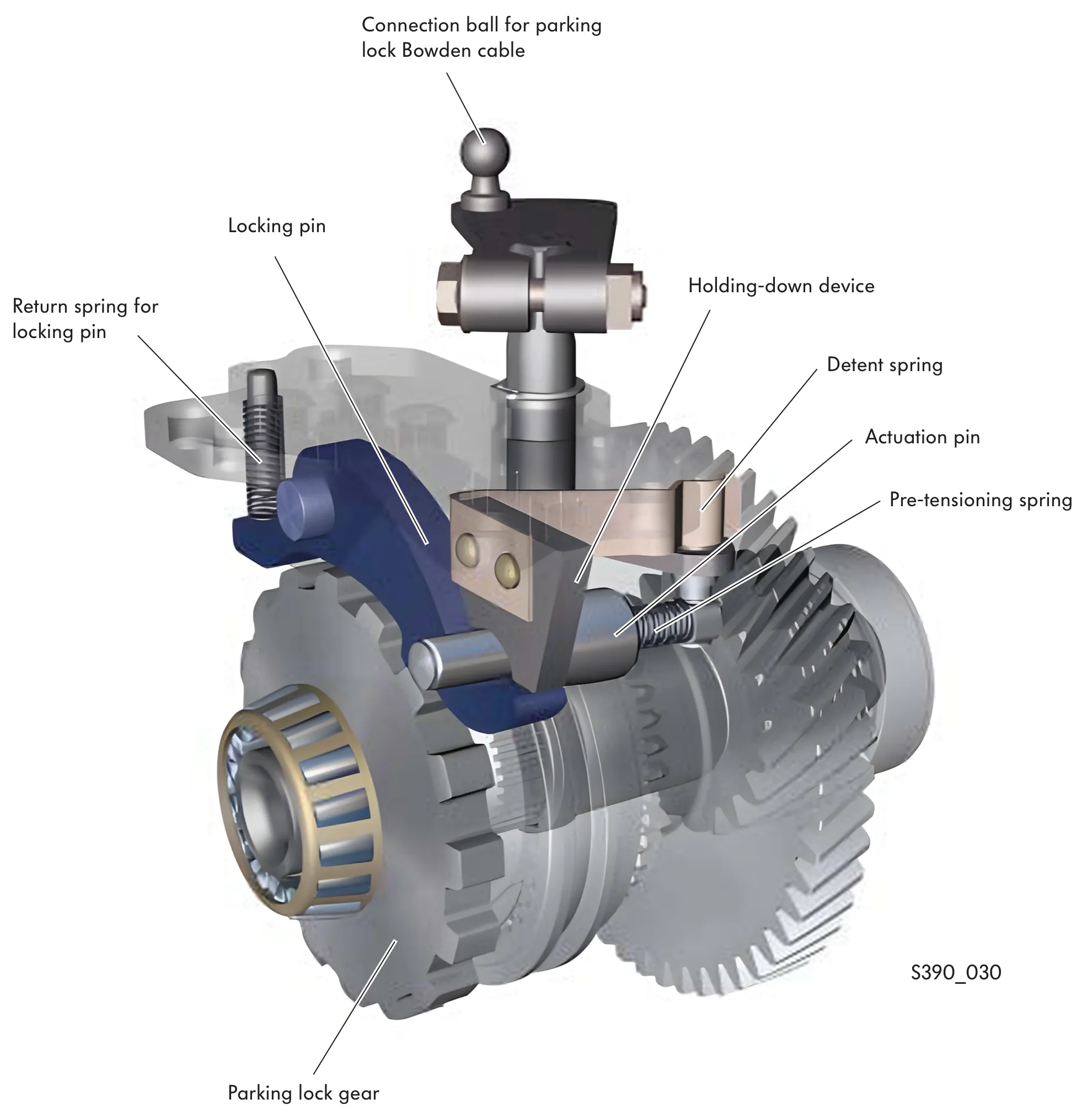
- Parking lockThe Bowden cable operated parking lock: its parts and its three states, from released to the locking pin engaged in the gear.
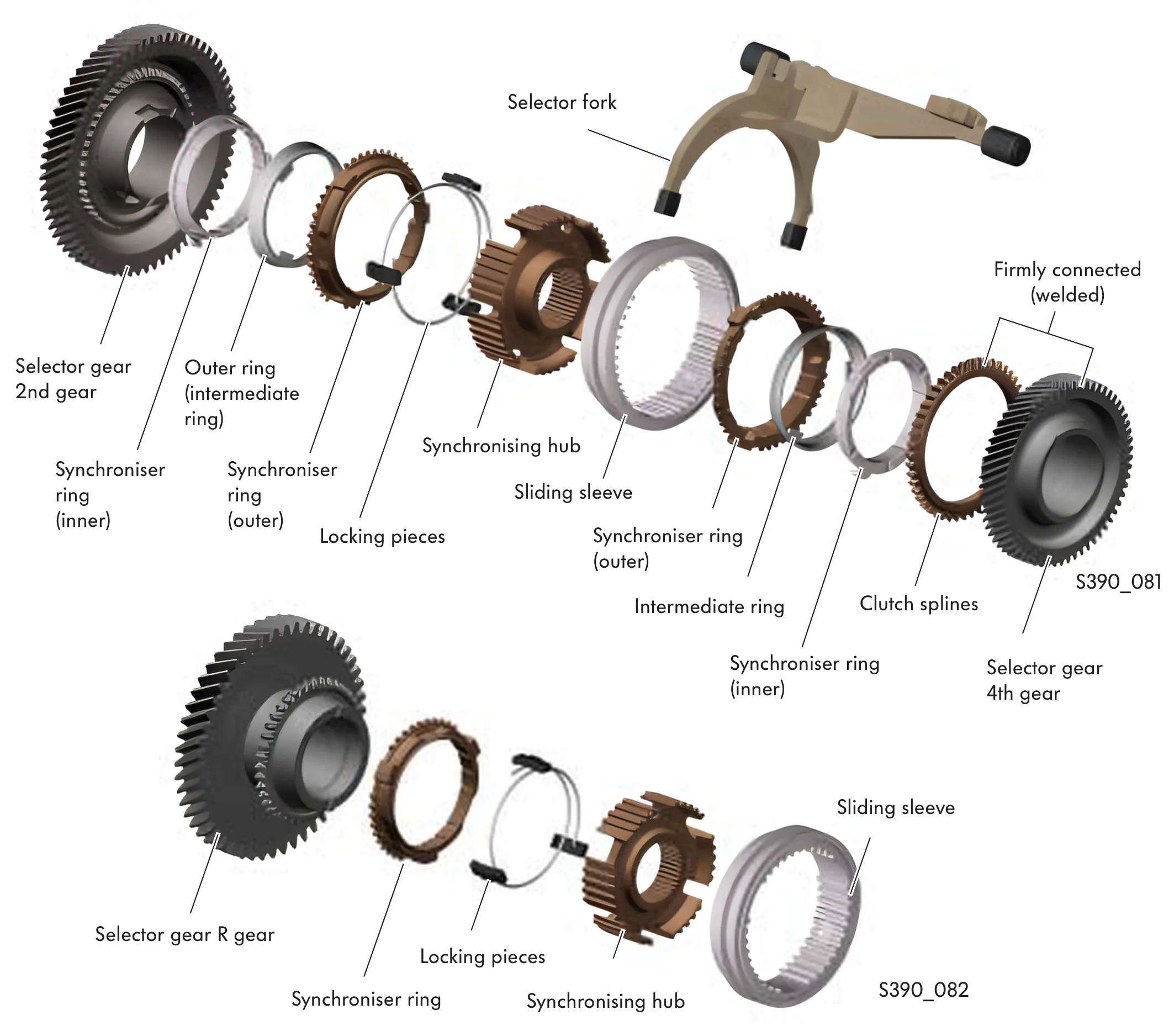
- Gear synchronisationOne-, two- and three-fold synchromesh per gear, the ring material and the synchroniser parts of 2nd, 4th and reverse gear.
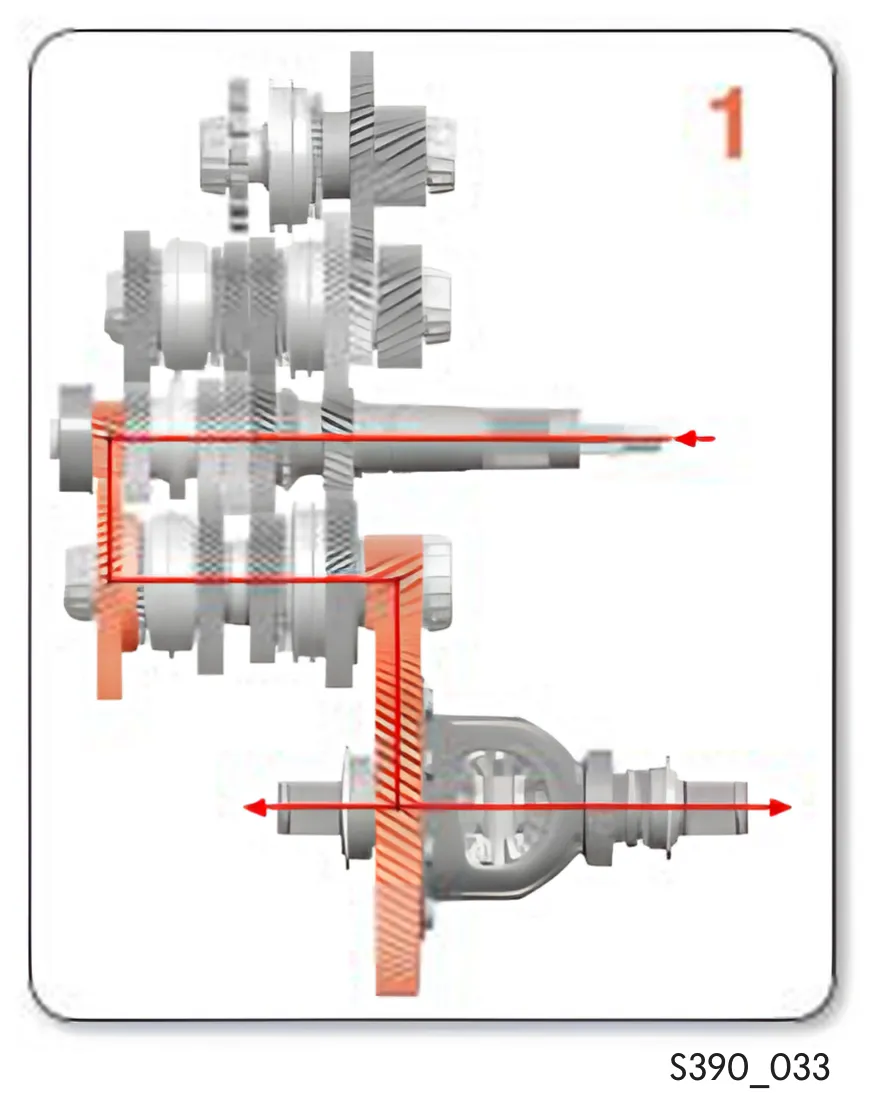
- Power transmission in the gearsThe torque path through clutch, drive shaft and output shaft to the differential in each of the seven gears and in reverse.
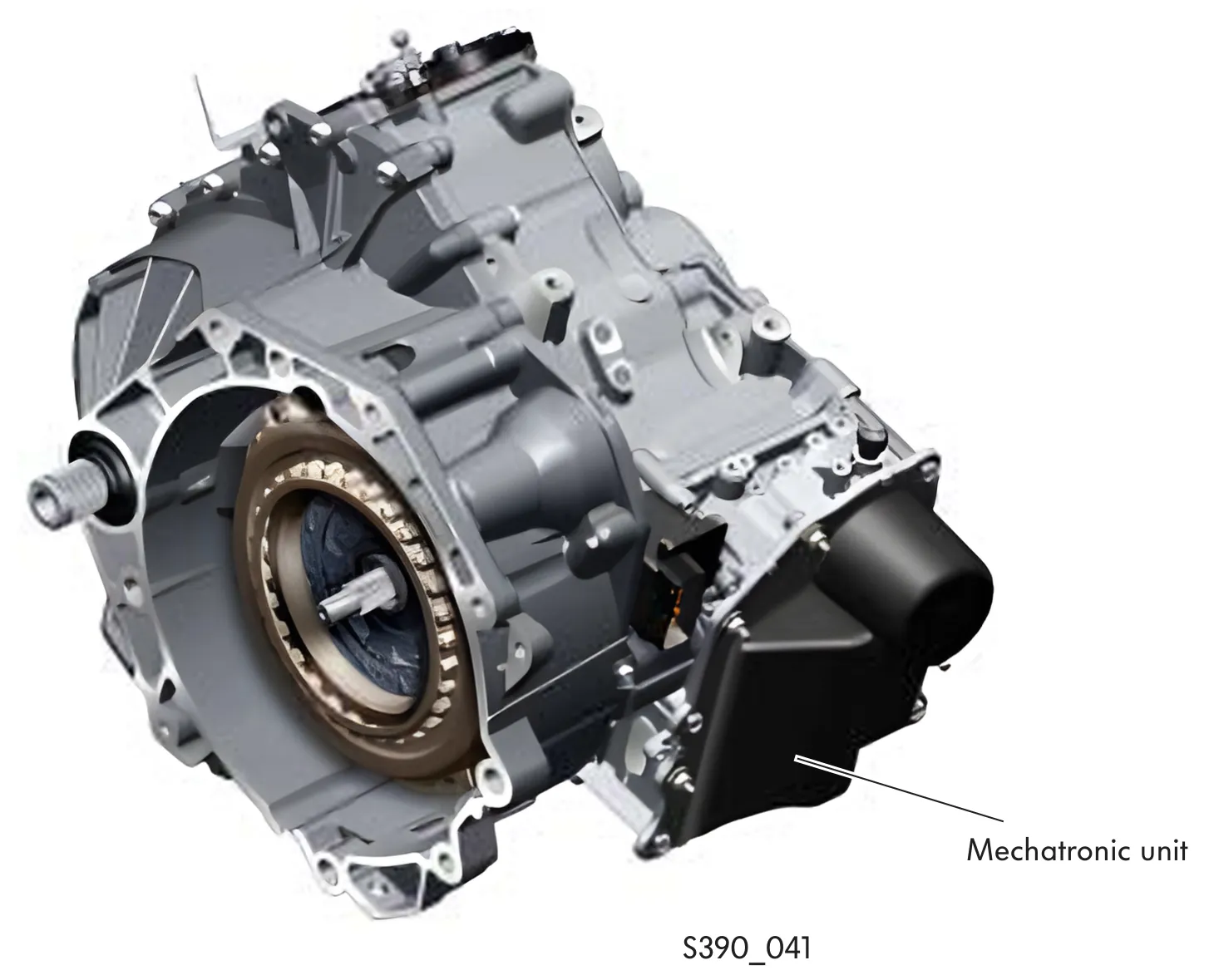
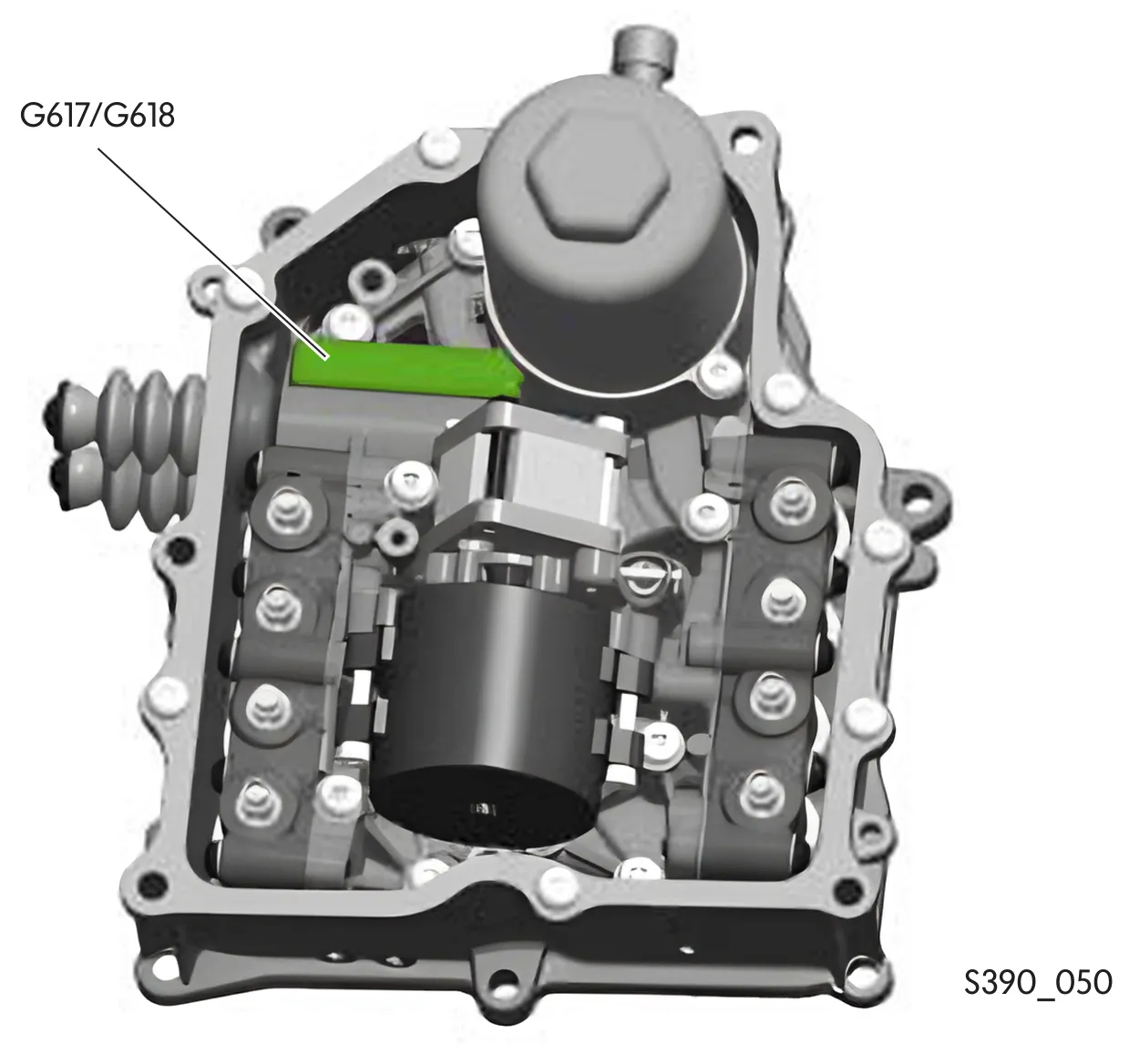
- Mechatronic moduleMechatronic unit J743, the central gearbox control unit: why it is one autonomous assembly and where its sensors sit.
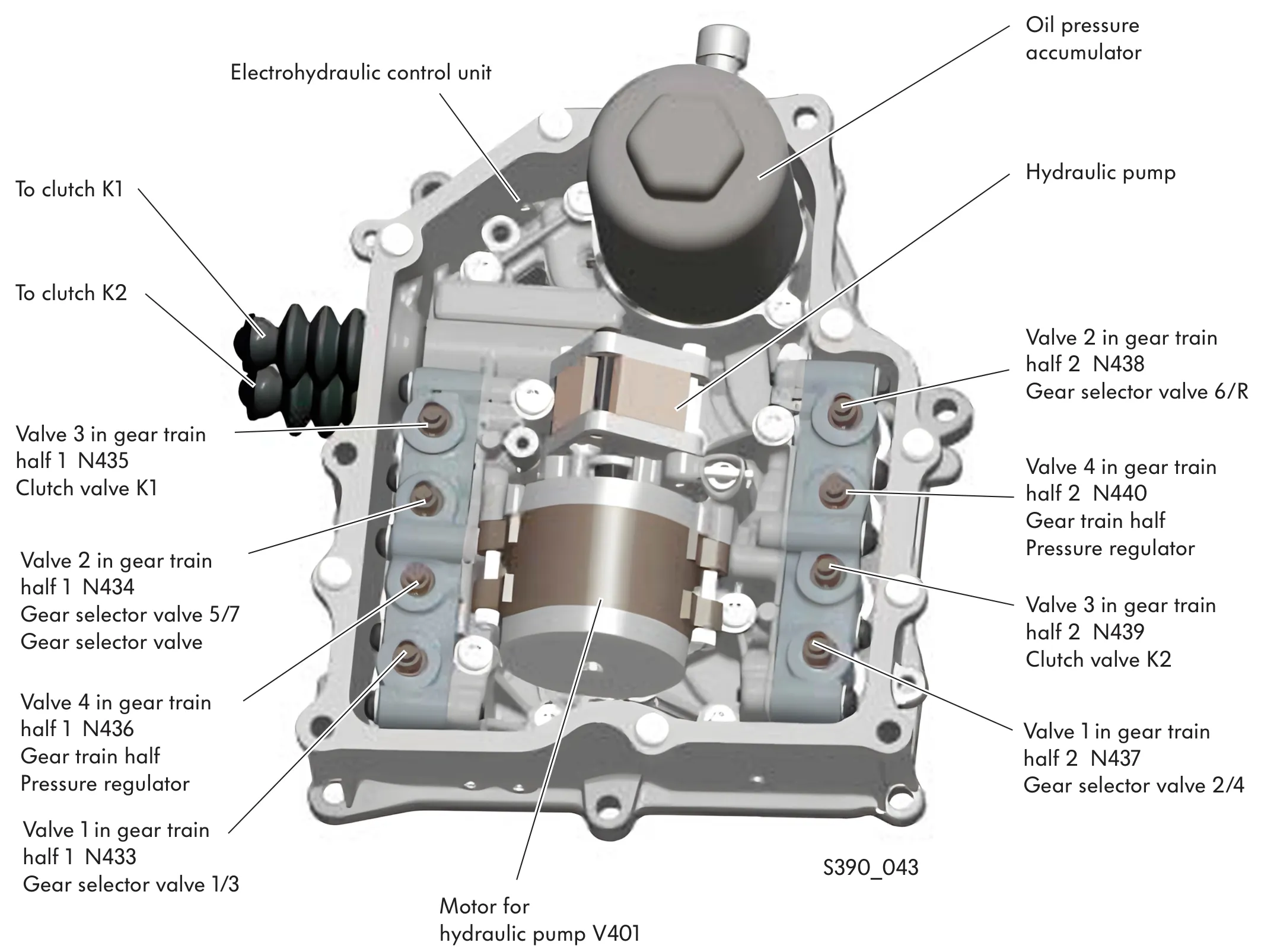
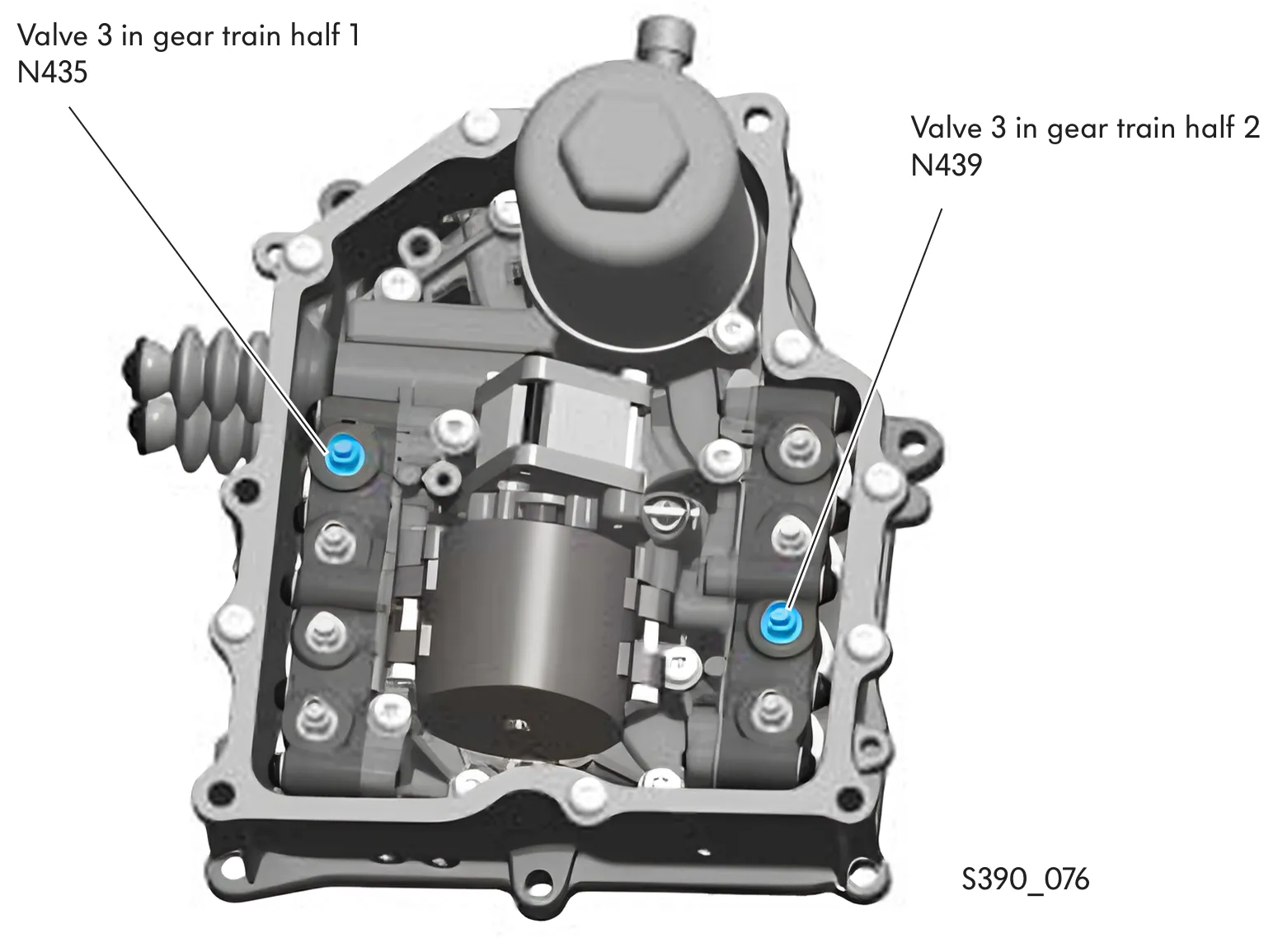
- Electrohydraulic control unitThe hydraulic half of the mechatronic module: how it generates the oil pressure and where its valves and pump sit.
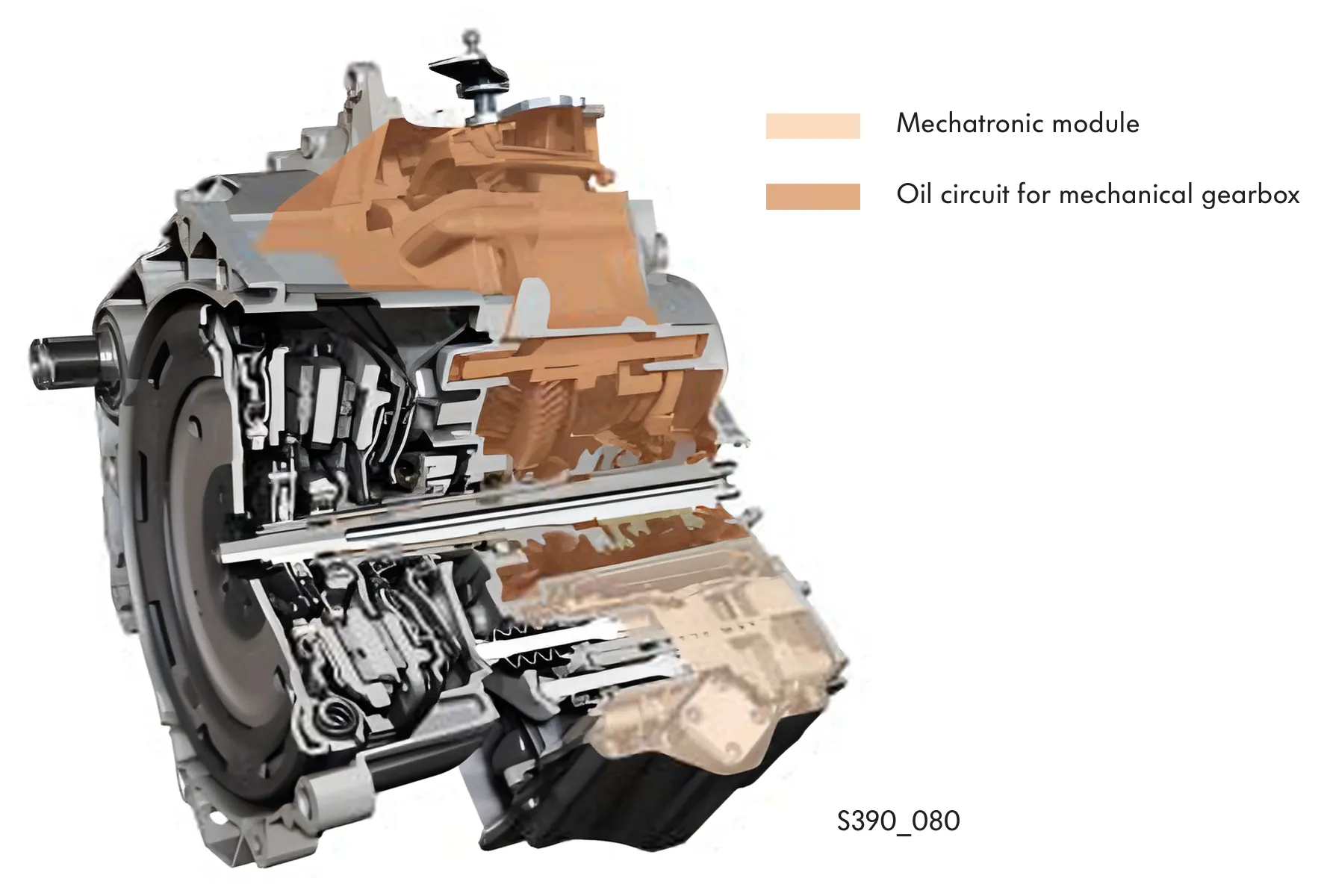
- Oil circuitThe two separate oil circuits of the mechanical gearbox and the mechatronic module, their oil volumes and the basic flow chart.
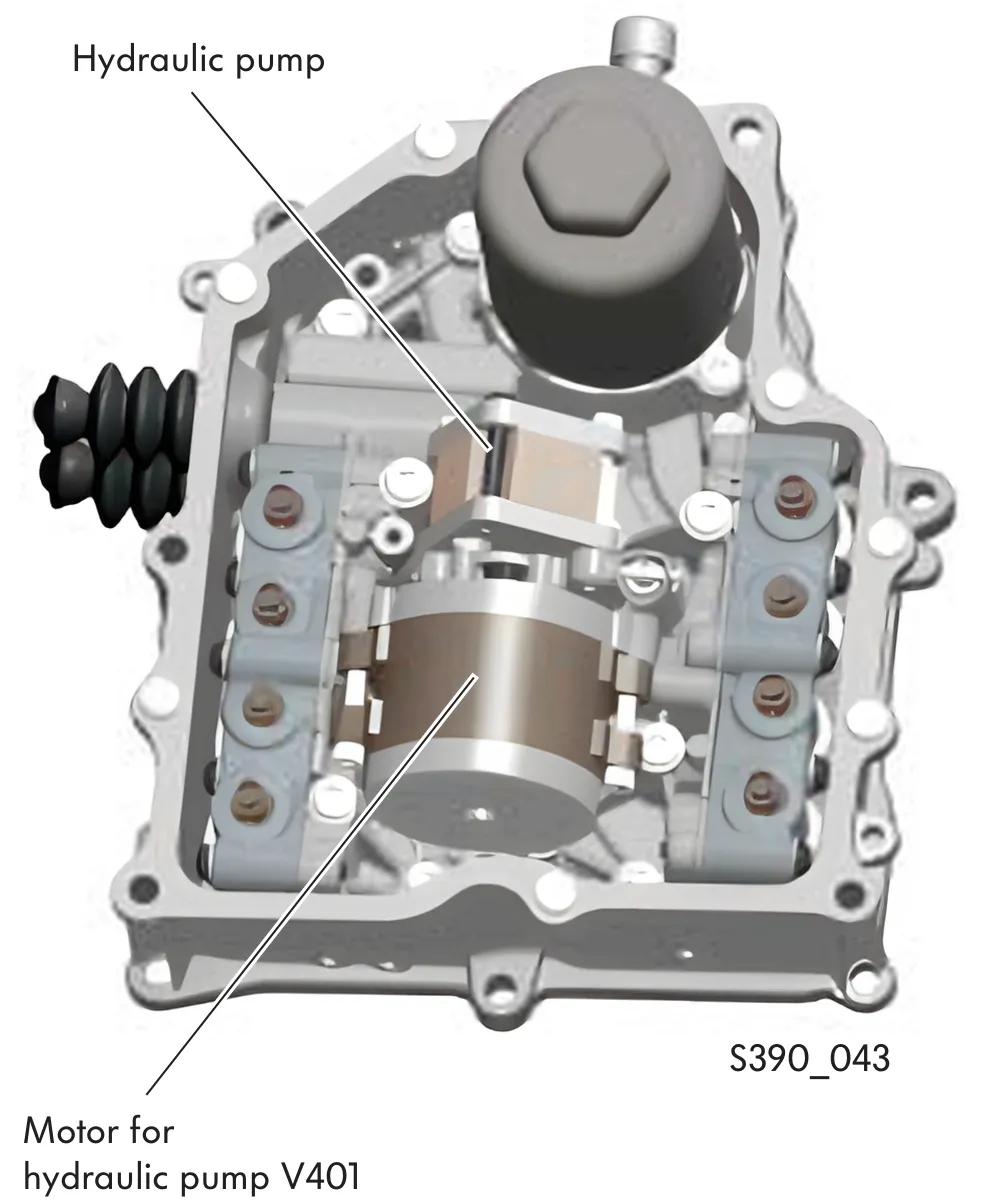
- Hydraulic pumpThe gear pump and its brushless motor V401, sender G270, the pressure accumulator and the task of each solenoid valve.
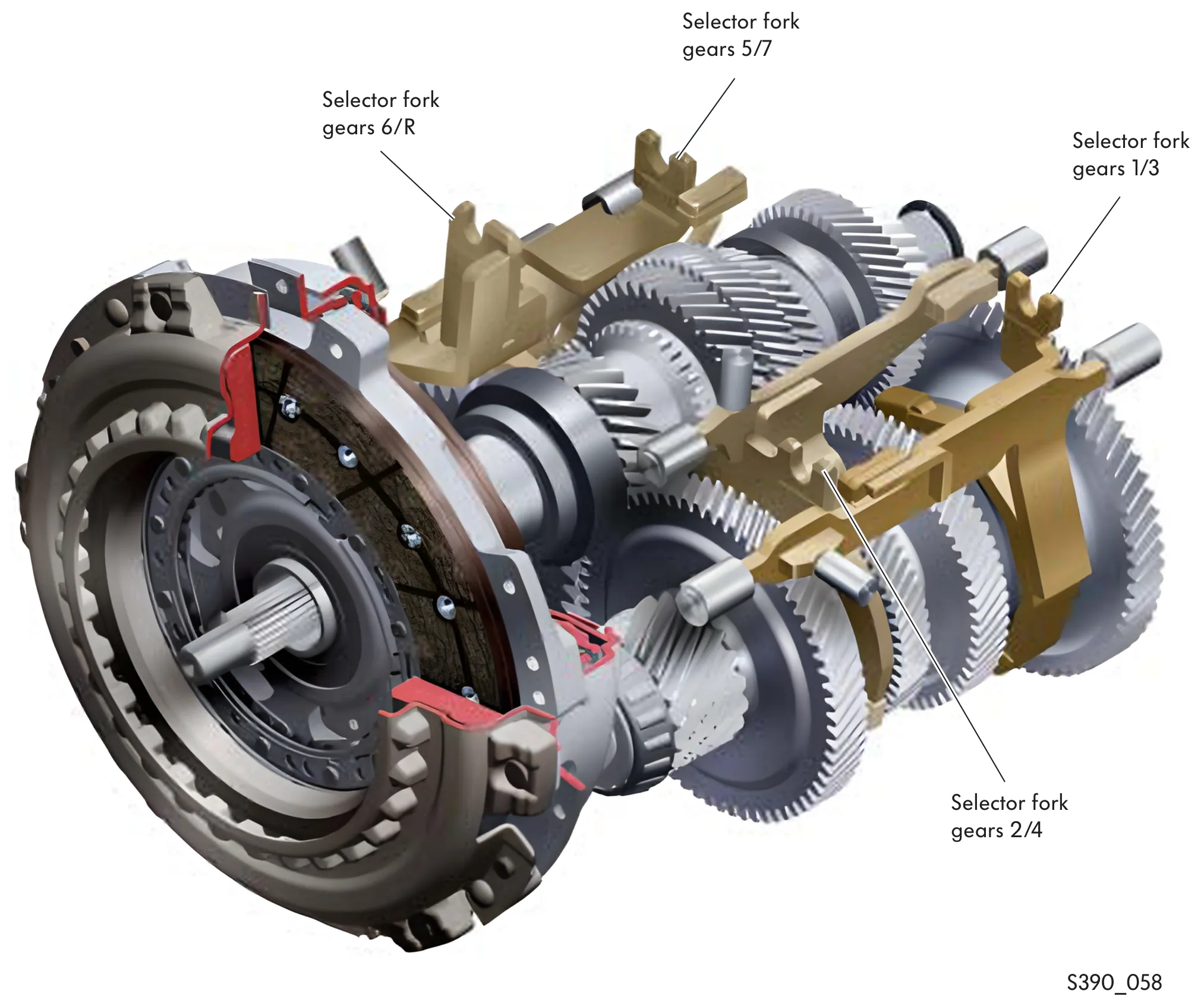
- Shifting the gearsSelector forks moved by hydraulic gear selectors, and the shift into 1st gear step by step.
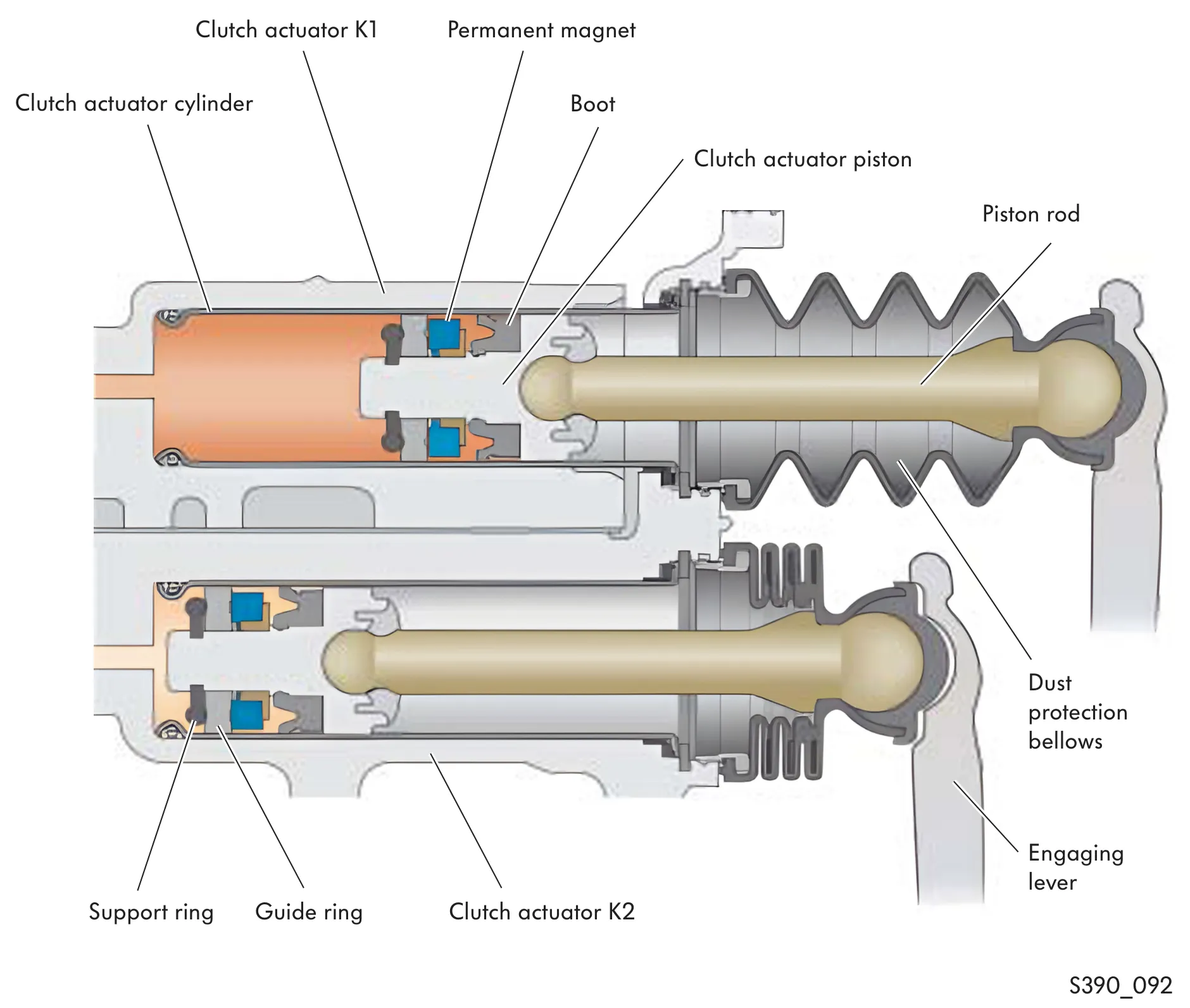
- Clutch actuatorsThe hydraulic clutch actuators and how the solenoid valves open, close and slip clutch K1.
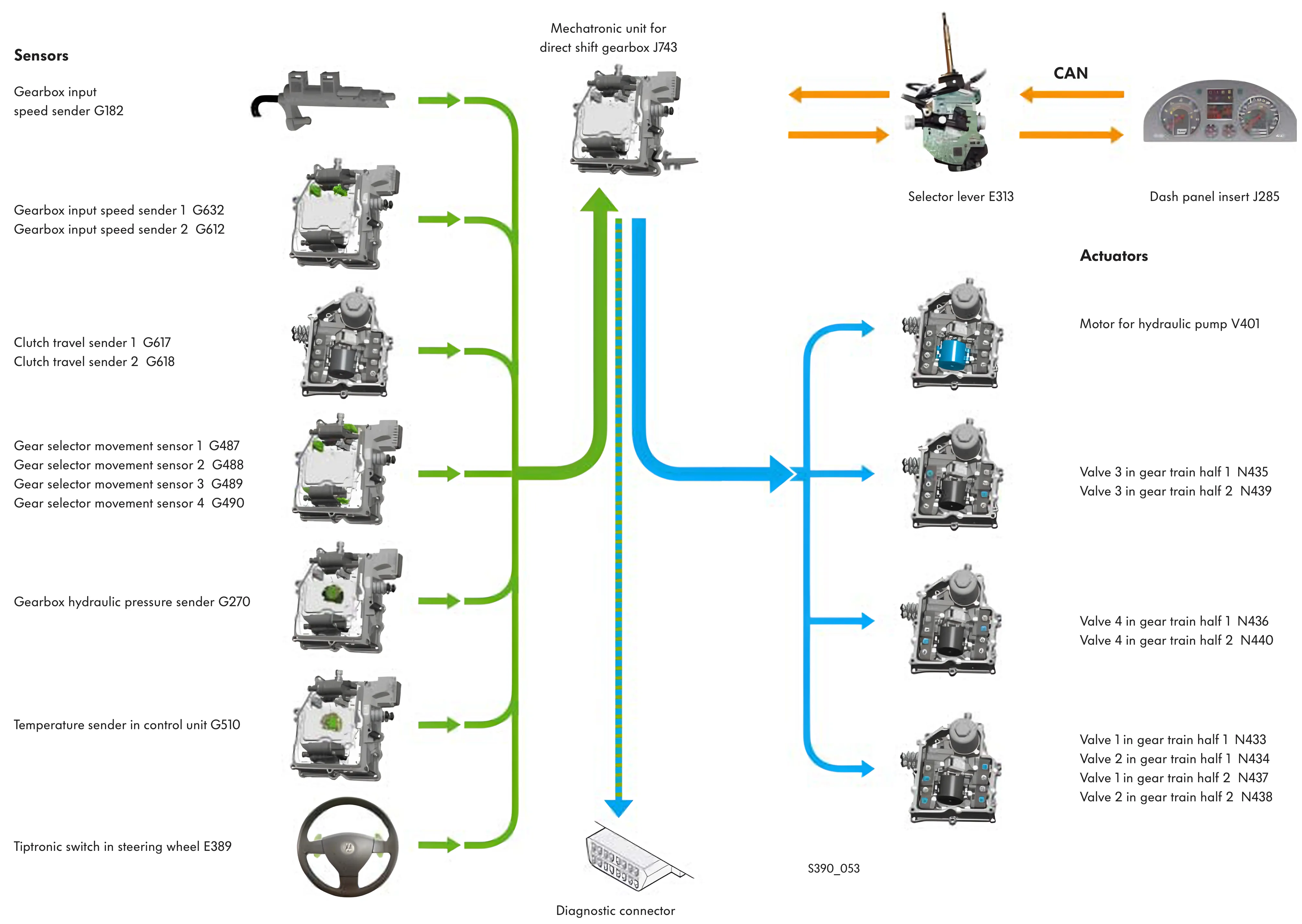
- Overview of the systemAll sensors and actuators of the gearbox management system on one diagram, with the CAN links to the selector lever and dash panel insert.
- SensorsClutch travel senders, input speed senders, temperature and pressure senders, gear selector sensors and Tiptronic switches.
- ActuatorsClutch actuator valves, pressure control valves, gear selector valves and the hydraulic pump motor, with the effects of their failure.
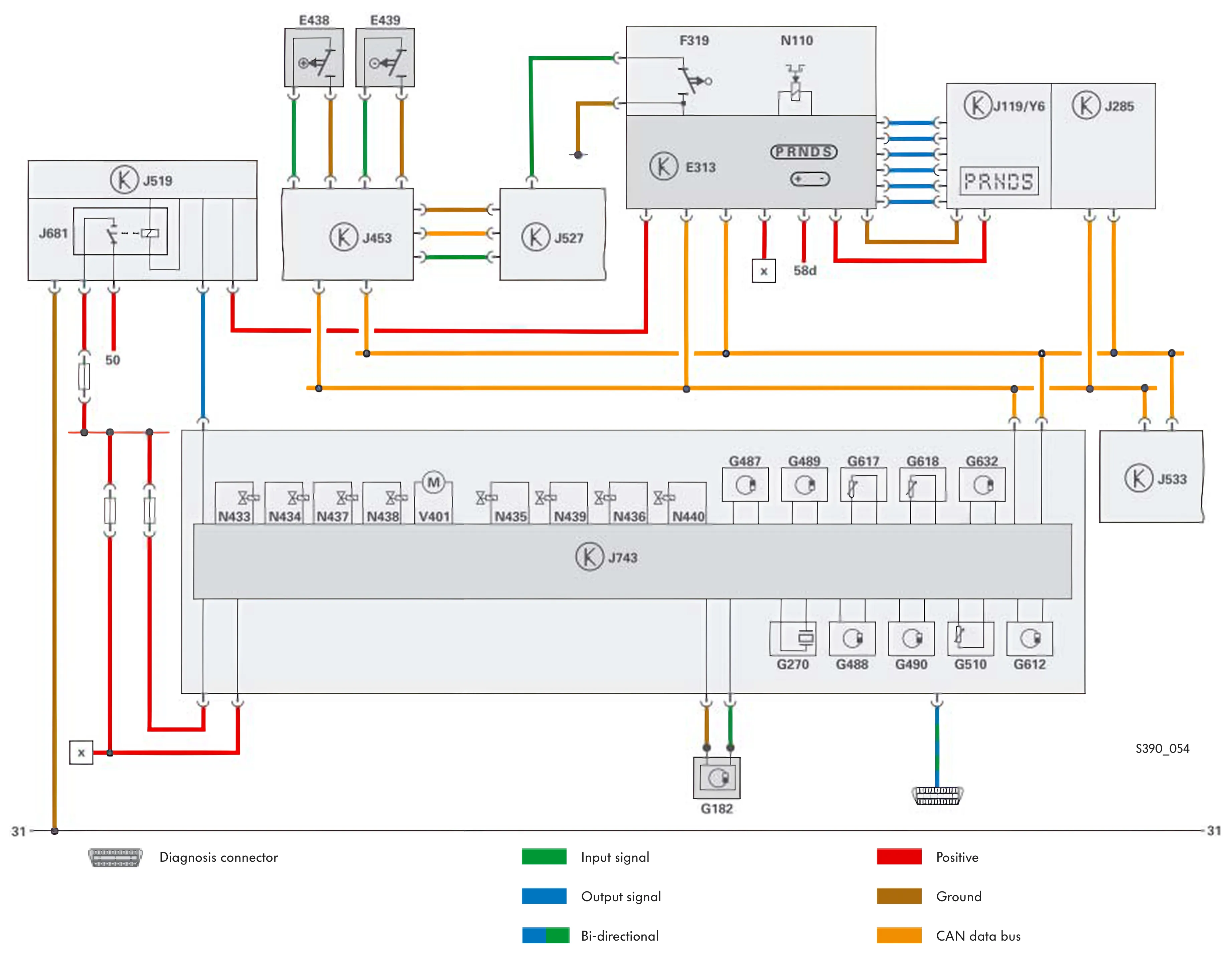
- Functional diagramThe wiring of the gearbox management system with its list of components, and how the mechatronic unit joins the CAN data bus.
- DiagnosisGuided Fault Finding with VAS 5051 A/B and VAS 5052: the sensors, actuators and mechatronic faults it tests.
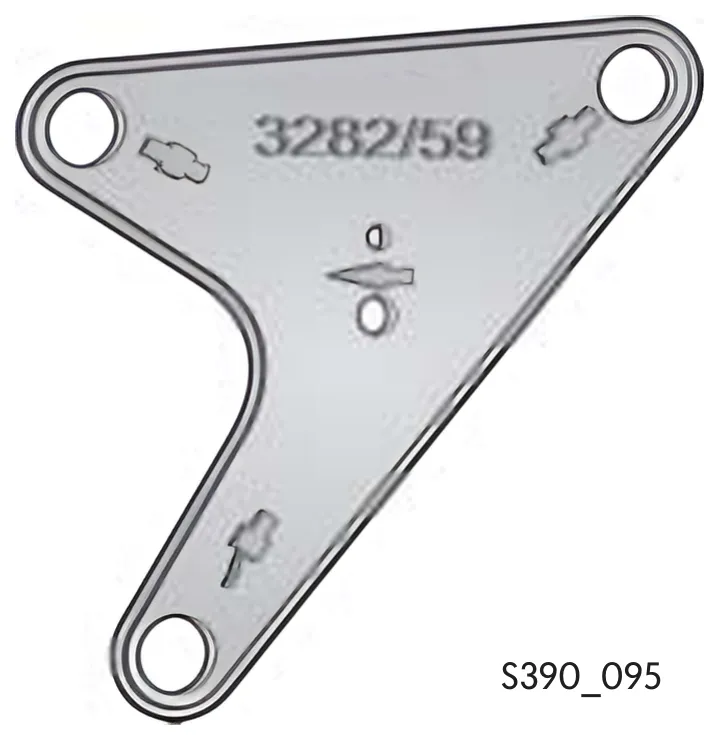
- ServiceThe new special tool for removing the gearbox: adjustment plate 3282/59.
- Test yourselfSeventeen questions on the double-clutch gearbox 0AM, its clutches, mechatronic unit, valves and senders, with the answers.