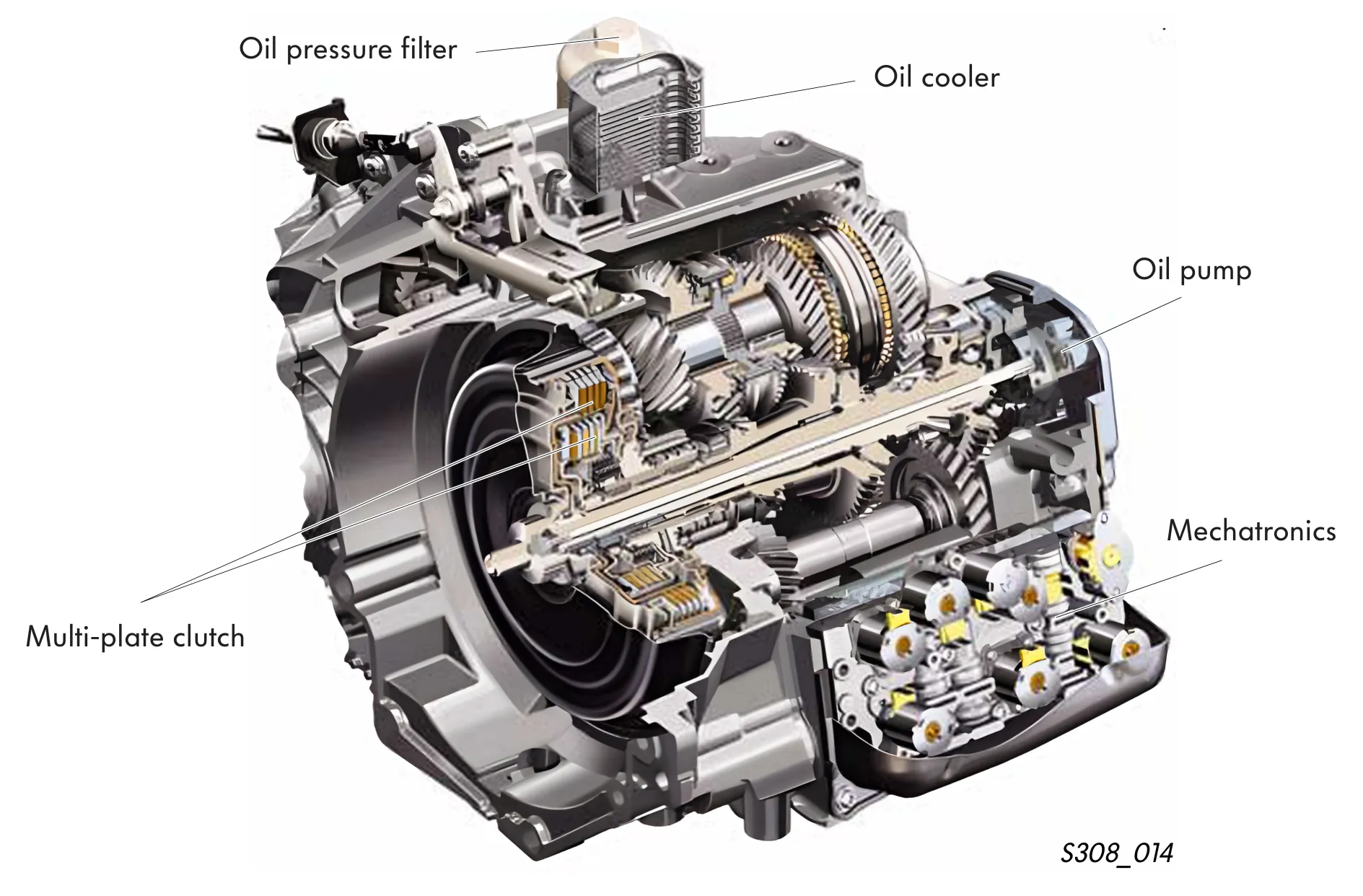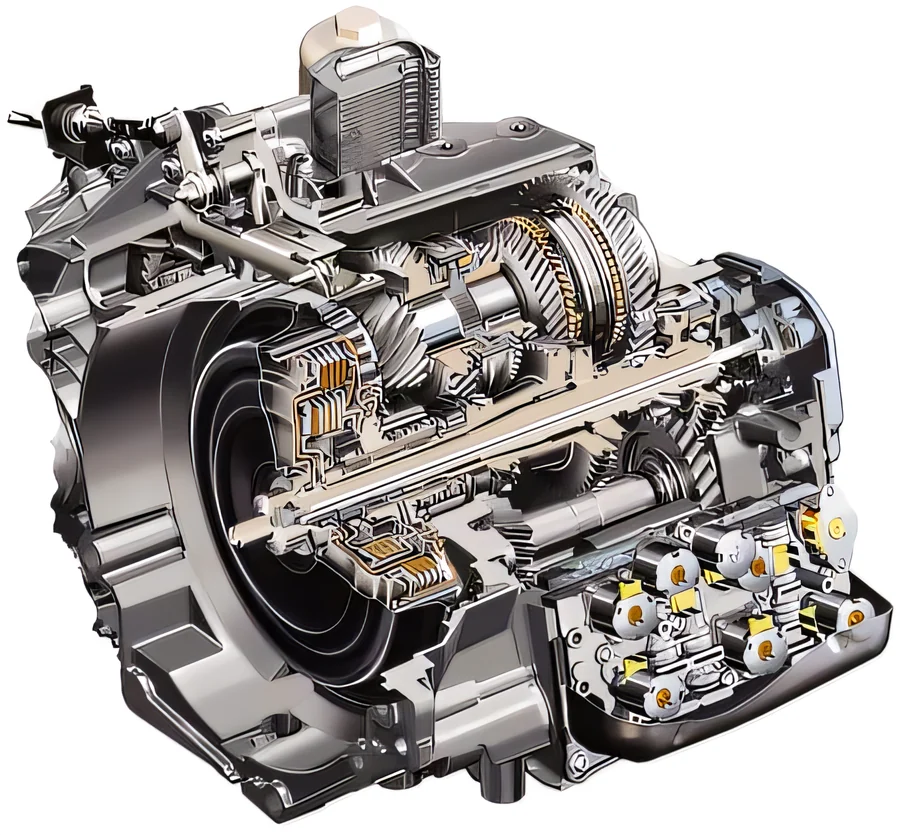
This self-study programme is designed to help you understand the Direct Shift Gearbox.
There is also a multimedia CD available on the direct shift gearbox. This CD allows you to see how individual components work and how they combine with other components for operation of the gearbox.
From interactive menus, the subjects
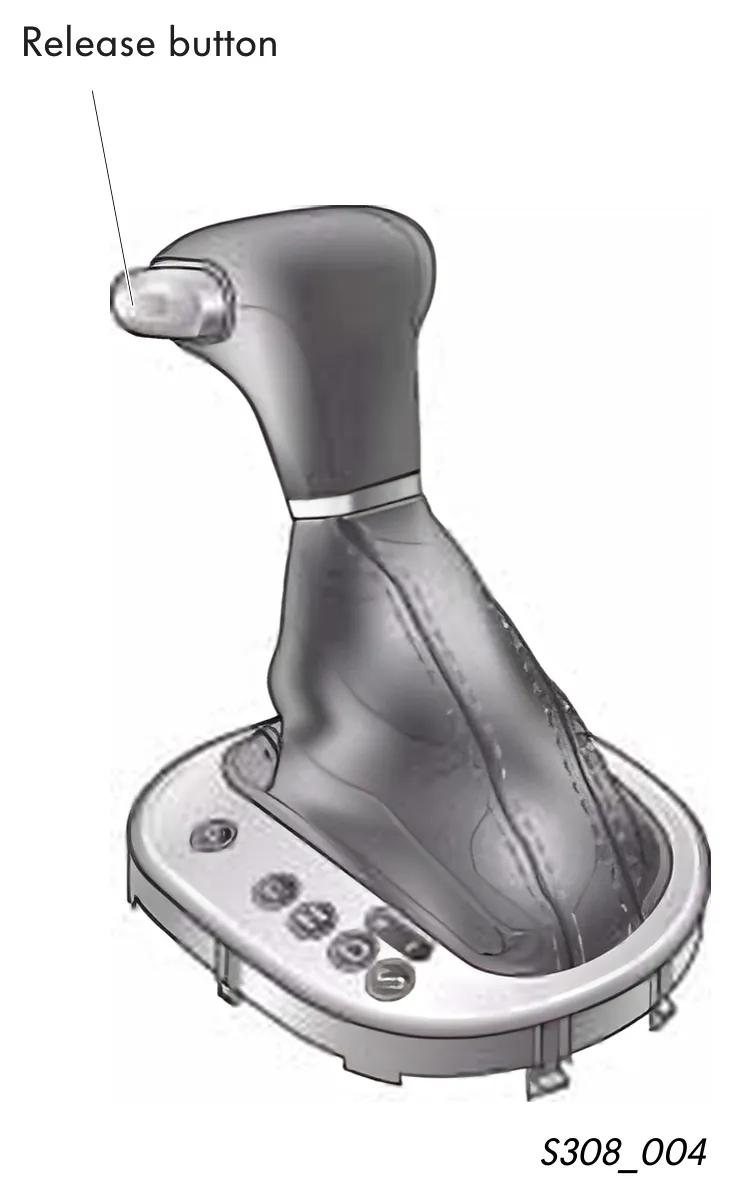
- Selector lever
- Gearbox construction
- Oil lubrication circuit
- Selection actuators
can be chosen.
Why it matters for the Polo
The 02E (DQ250) was never fitted to the Polo at the factory, but it is often used as a better replacement for the rather failure-prone DQ200 from SSP 390. It takes much higher power and torque, up to 350 Nm according to this booklet, so it suits sporty cars.
Our recommendation, not VW's: it is ideal for the 1.4 TSI EA111, 1.4 TSI EA211, 2.0 TDI, 2.0 TSI and 1.8 TSI engines.
Chapters
- IntroductionWhy a gearbox with two wet clutches joins the strengths of manual and automatic gearboxes: its features, weight, torque and oil volume.
- Selector leverThe lever positions, control unit J587, lock solenoid N110 with its emergency release and the ignition key withdrawal lock.
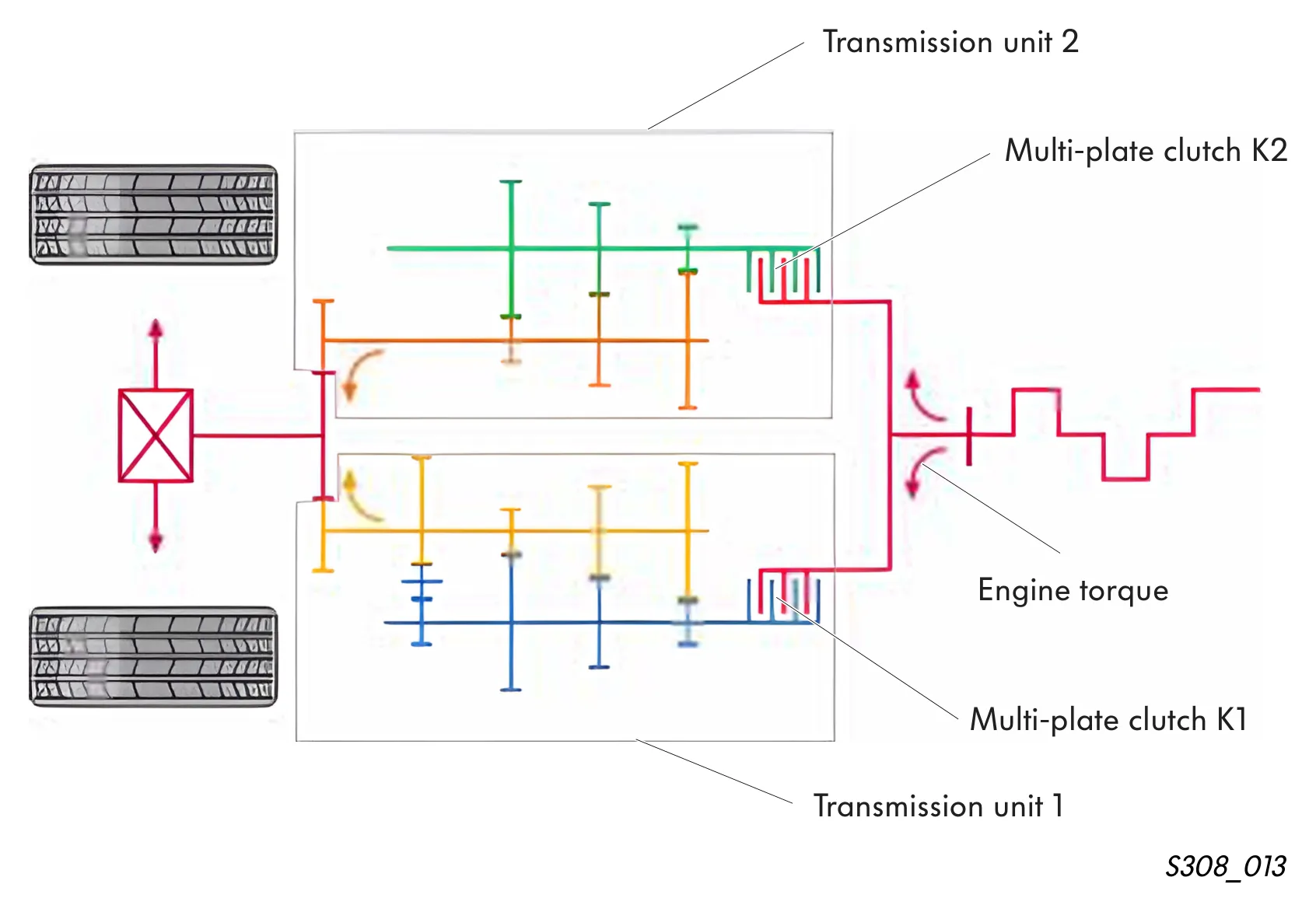
- Basic principleTwo transmission units in one housing, one for each clutch, and how the torque reaches them from the dual mass flywheel.
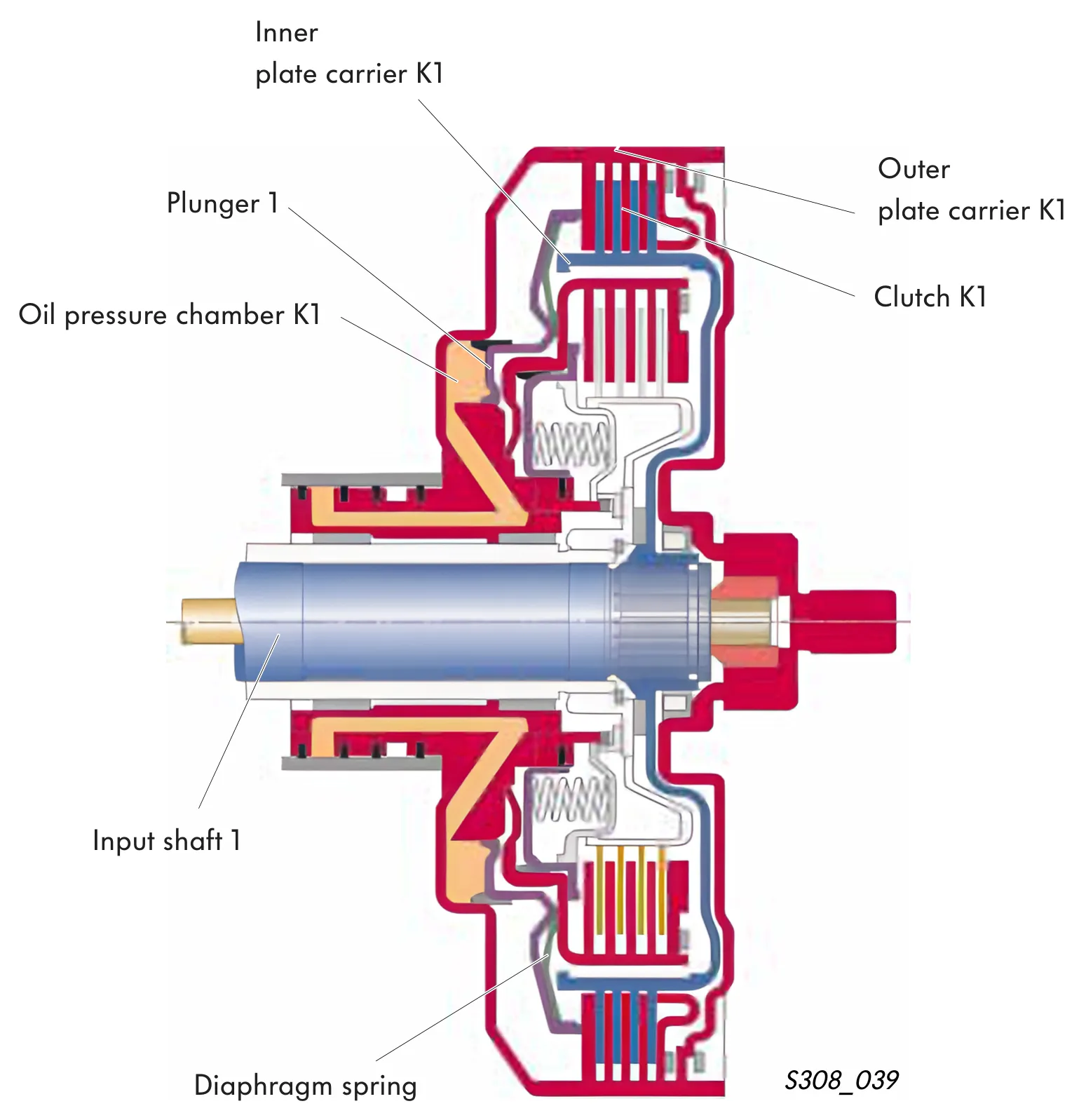
- Multi-plate clutchesHow the outer clutch K1 and the inner clutch K2 close under oil pressure and which gears each of them drives.
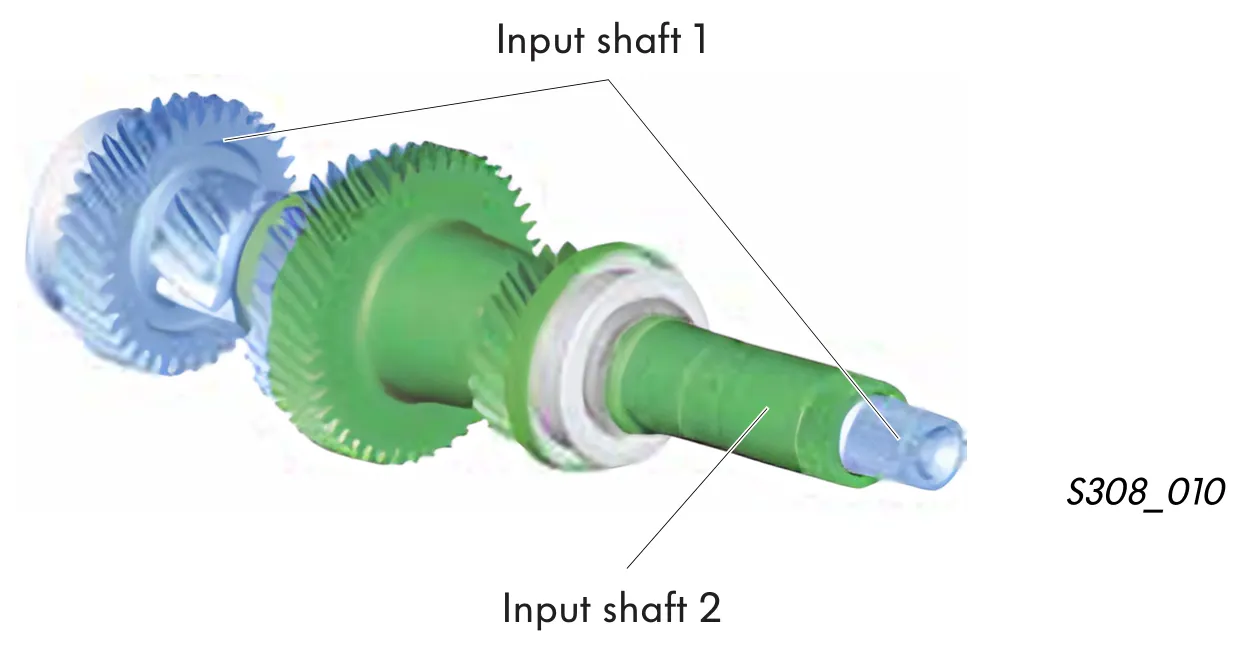
- Input shafts, output shafts and differentialThe two input shafts, the two output shafts, the reverse shaft and the differential, each with its gears and position in the gearbox.
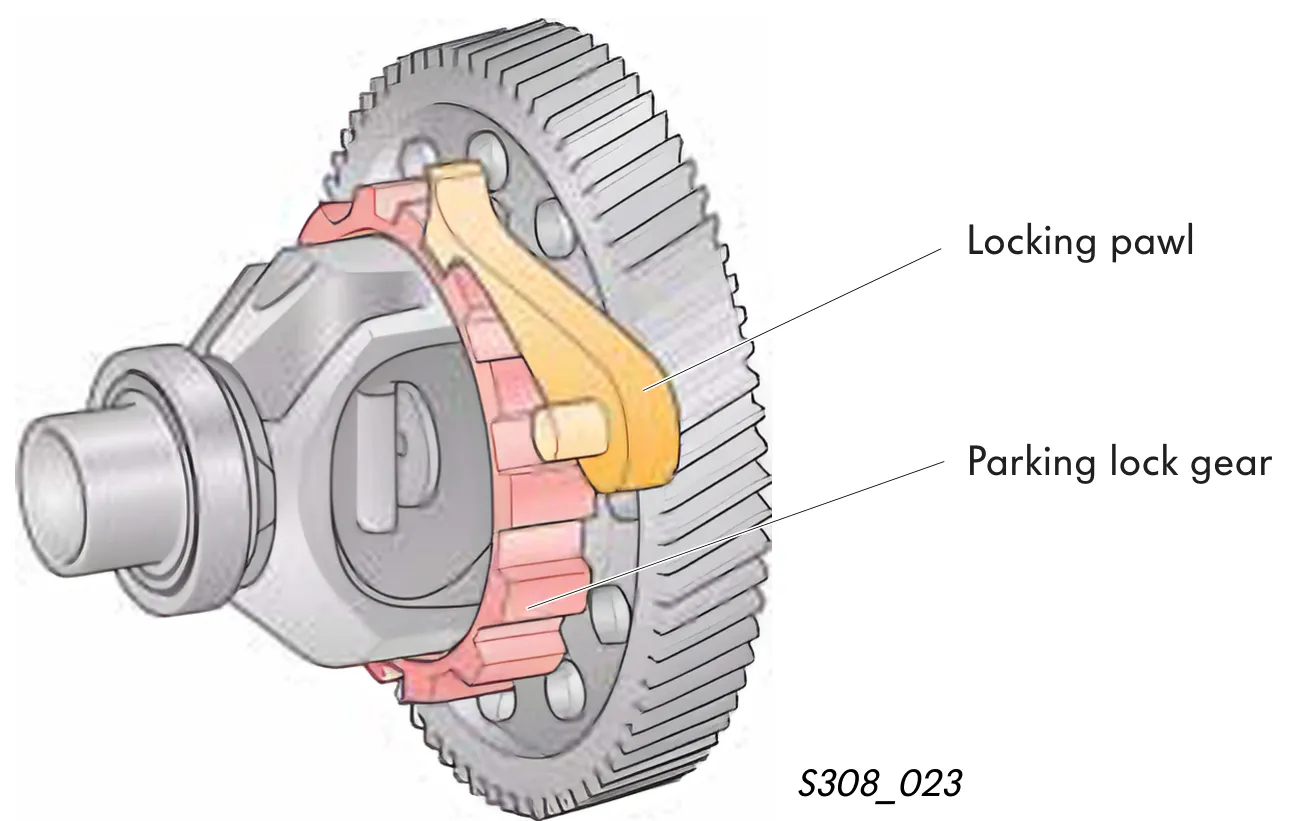
- Parking lockThe parking lock in the differential: the cable from the selector lever, the locking pawl and its two springs.
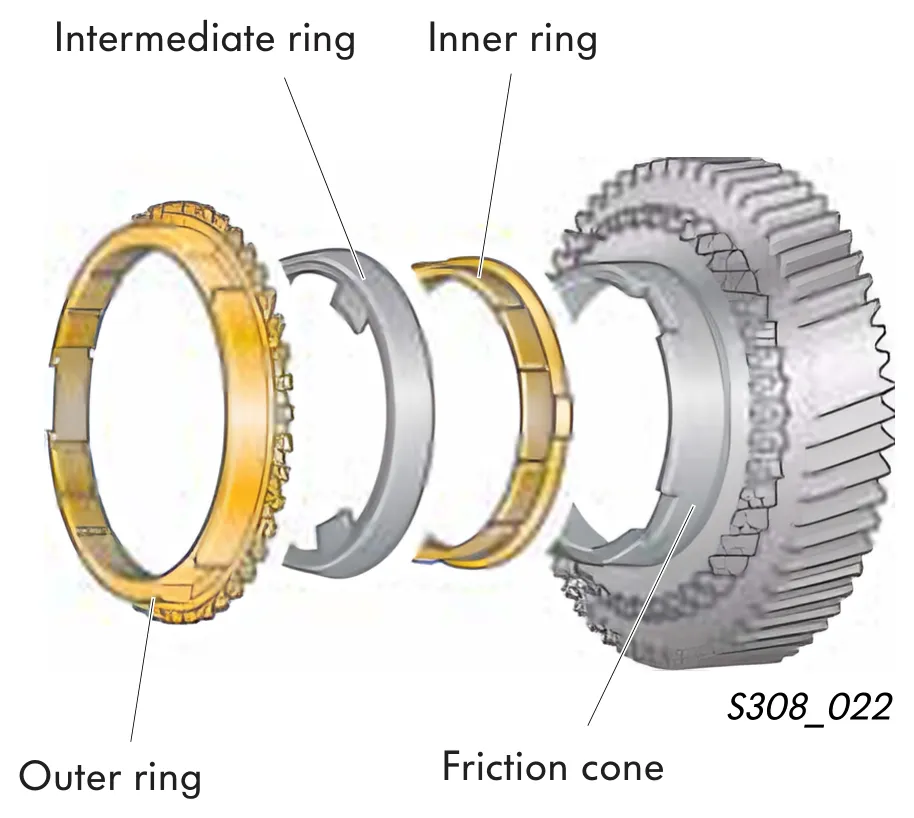
- SynchronisationThree-fold synchronisation of 1st, 2nd and 3rd gear, simple synchronisation of 4th to 6th and the parts of each.
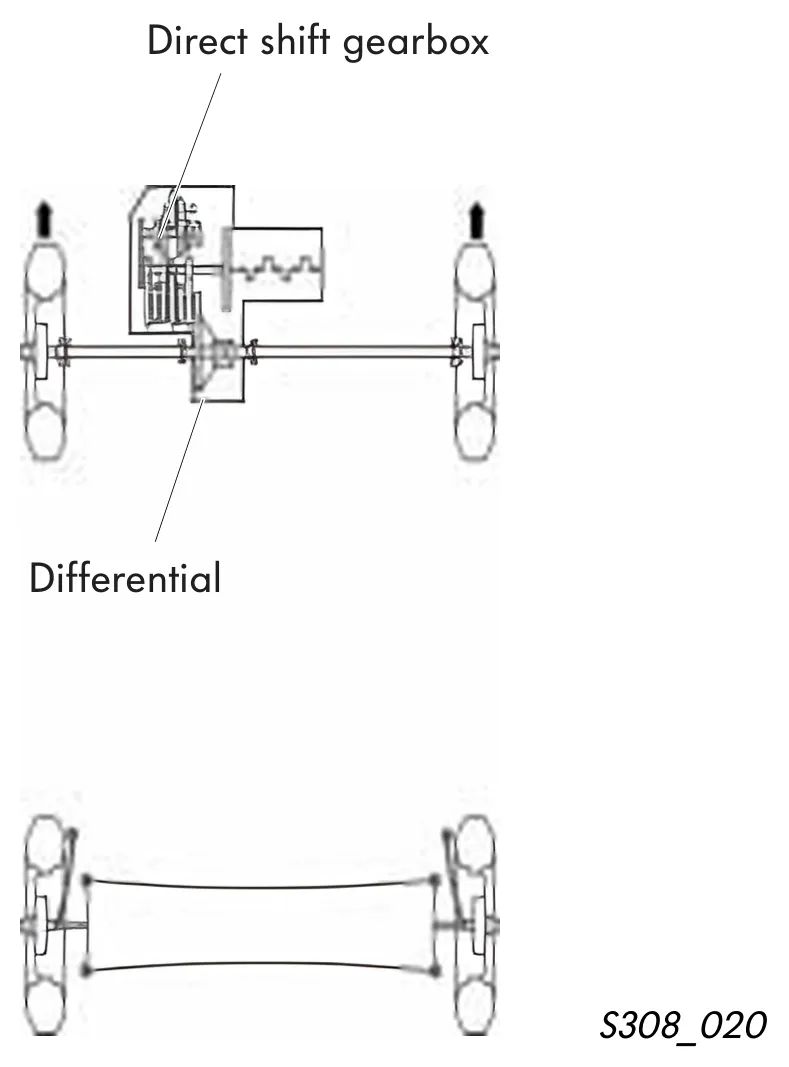
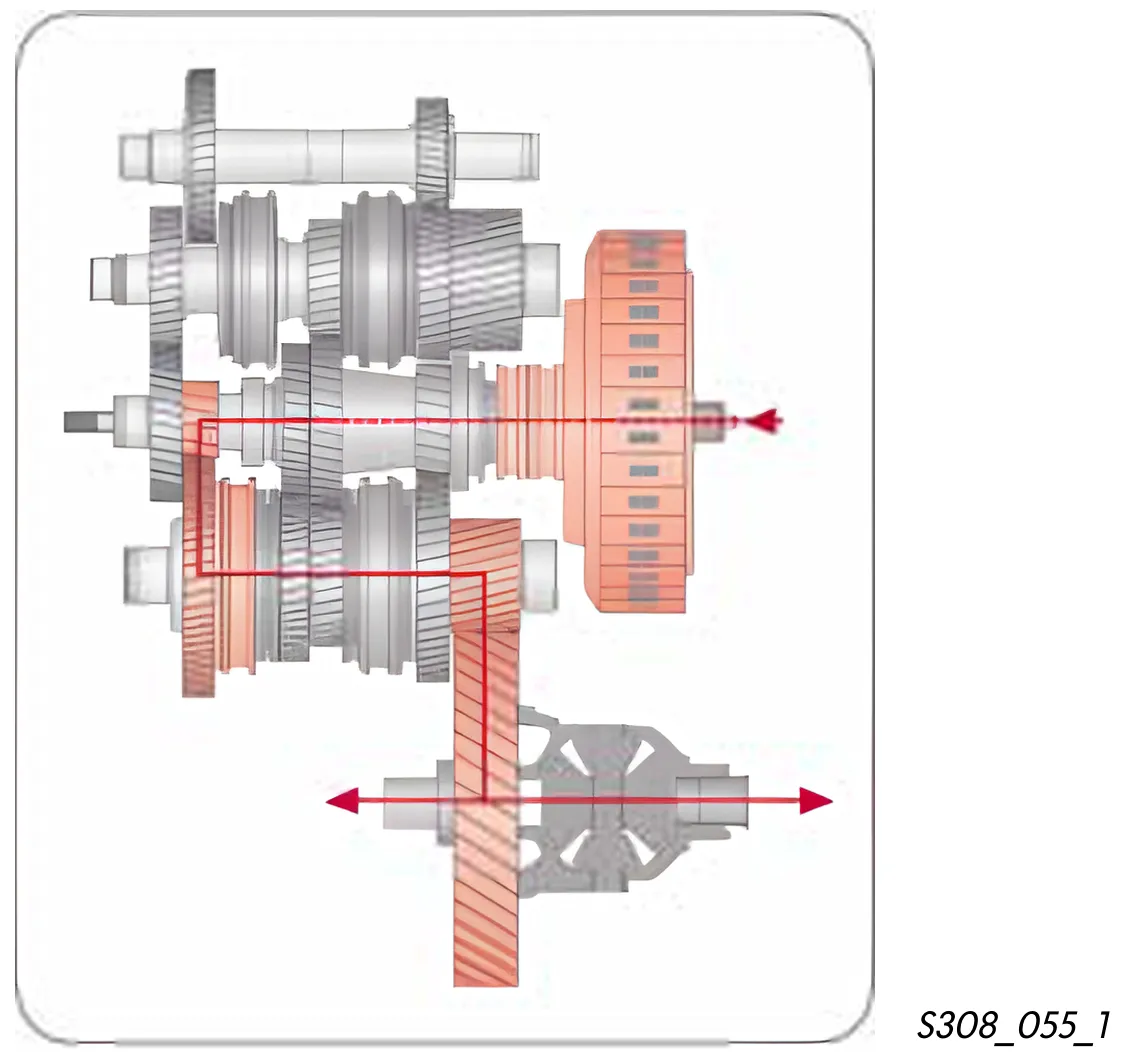
- Torque transmission in the vehicleFrom the engine through the gearbox to the wheels, on front-wheel drive and with the Haldex coupling on four-wheel drive.
- Transmission route through gearsThe path of the torque through clutch, input shaft and output shaft to the differential in each of the six gears and in reverse.
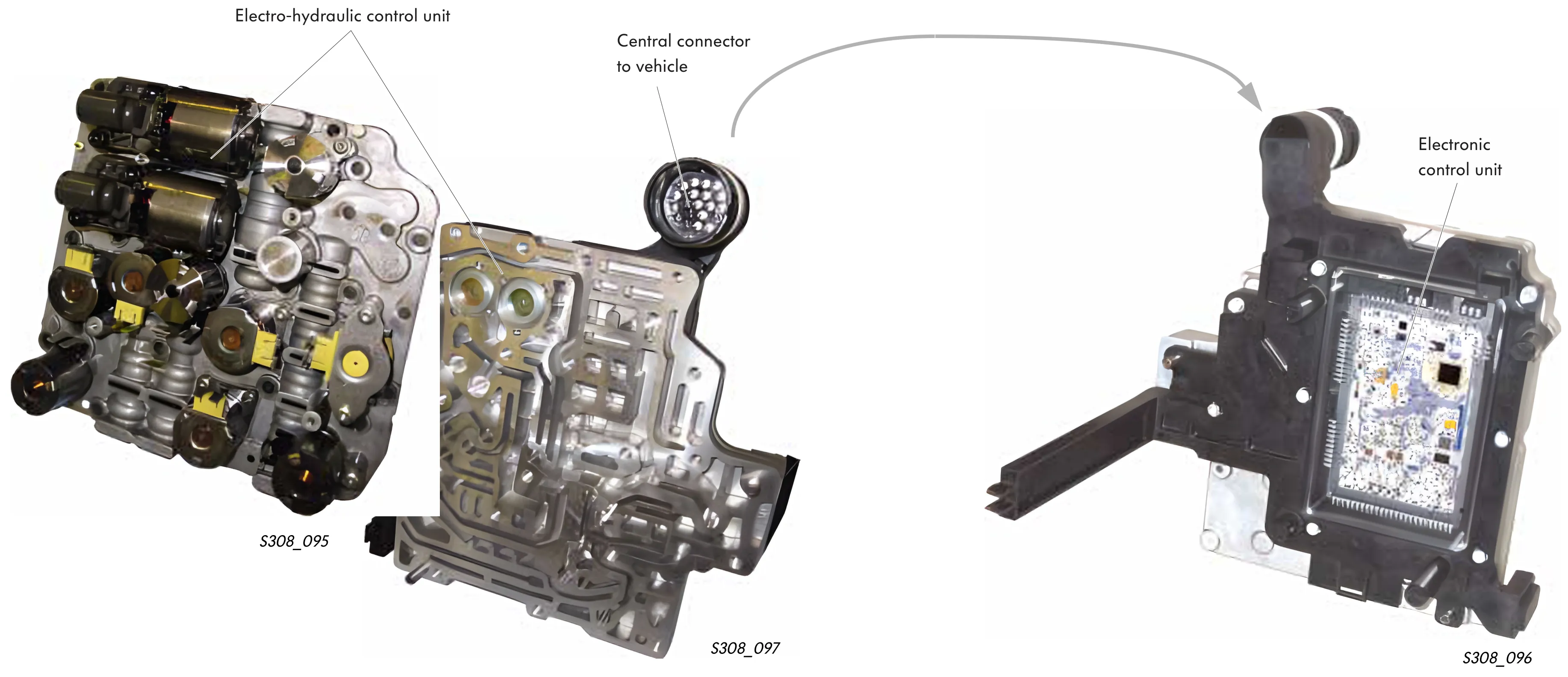
- Mechatronics moduleThe central control unit of the gearbox: what it holds, why it sits in the oil and what it has to withstand.
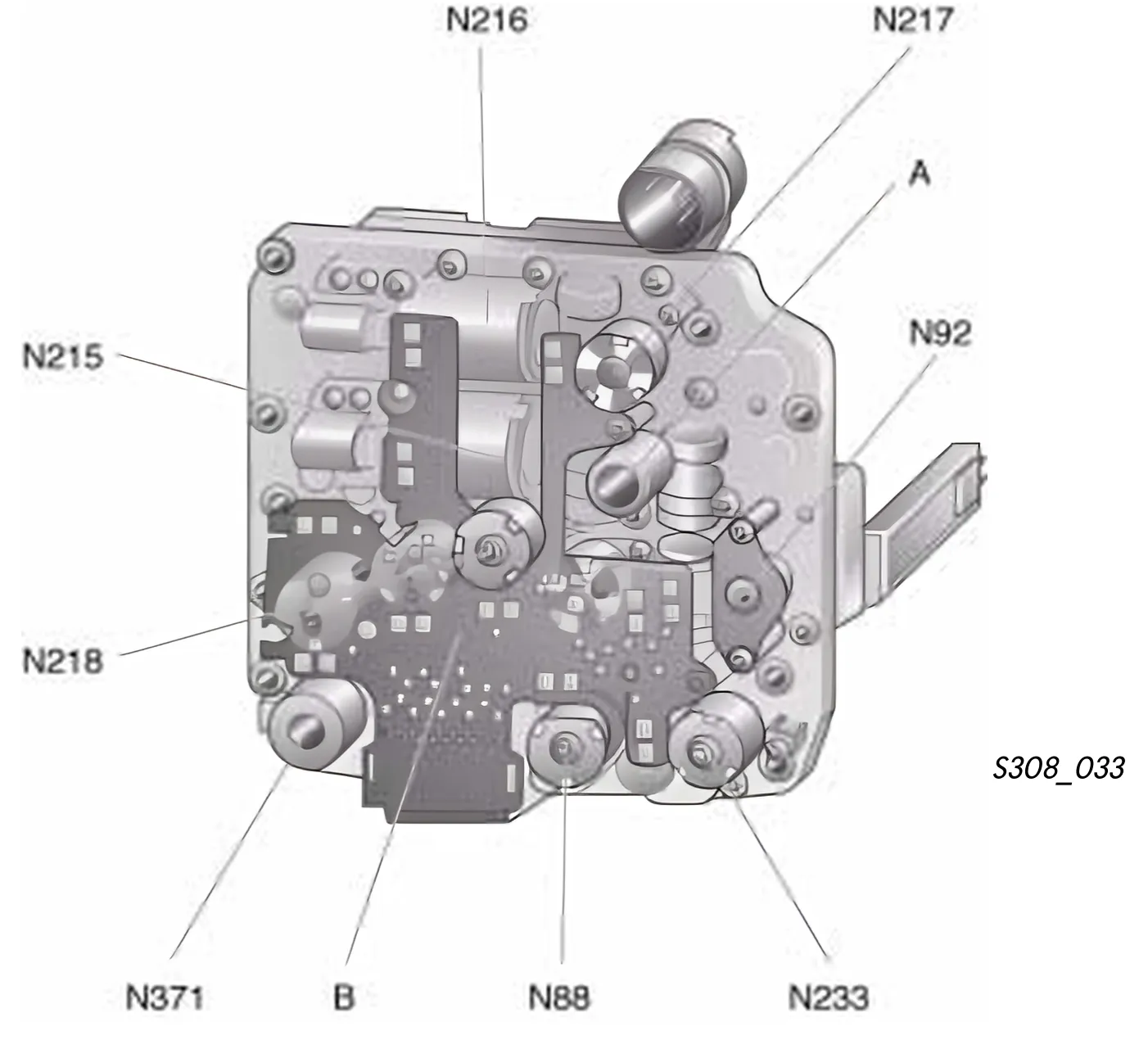
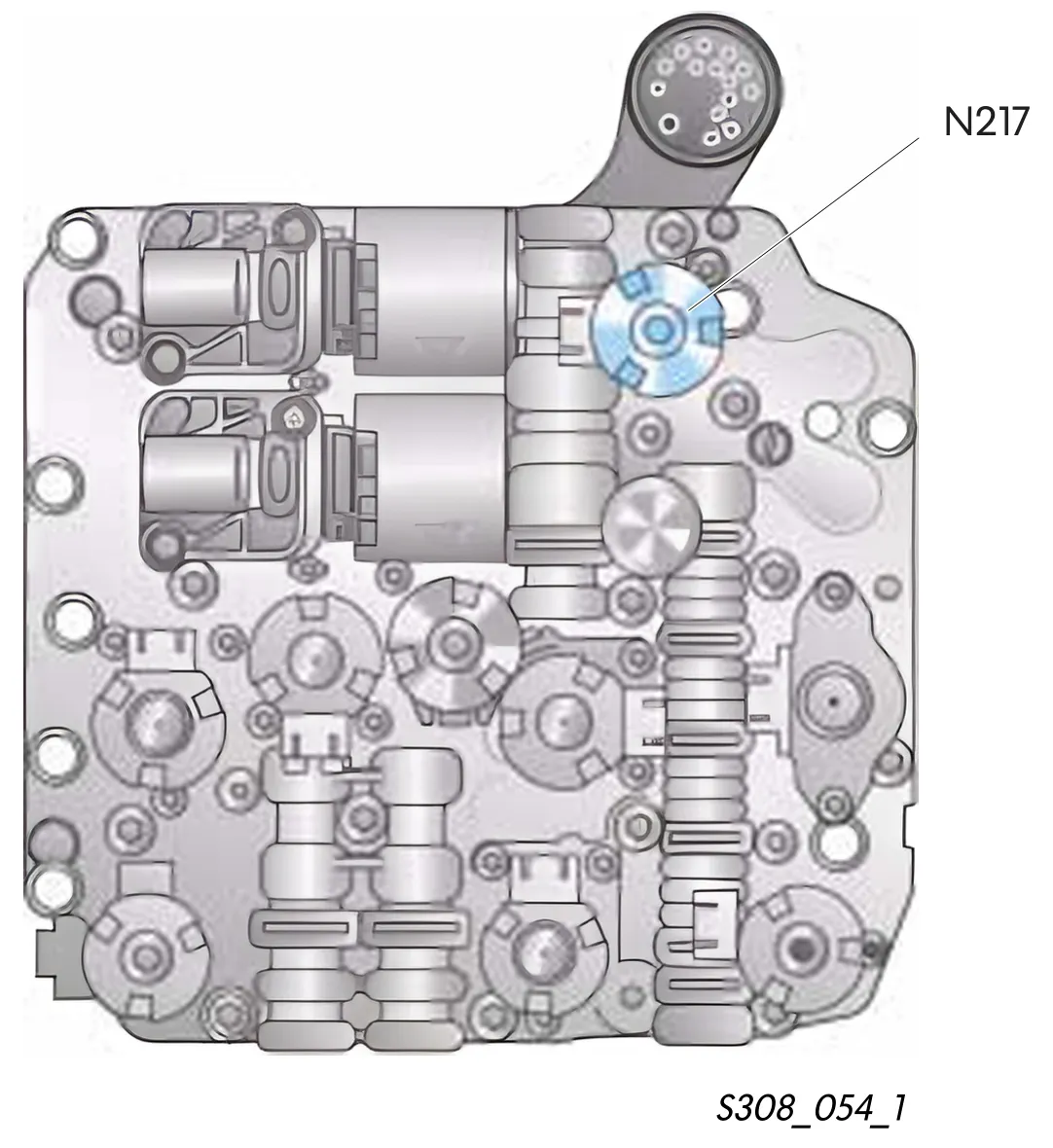
- Electro-hydraulic control unitThe solenoid valves and pressure control valves of the mechatronics and how they divide into selector and modulation valves.
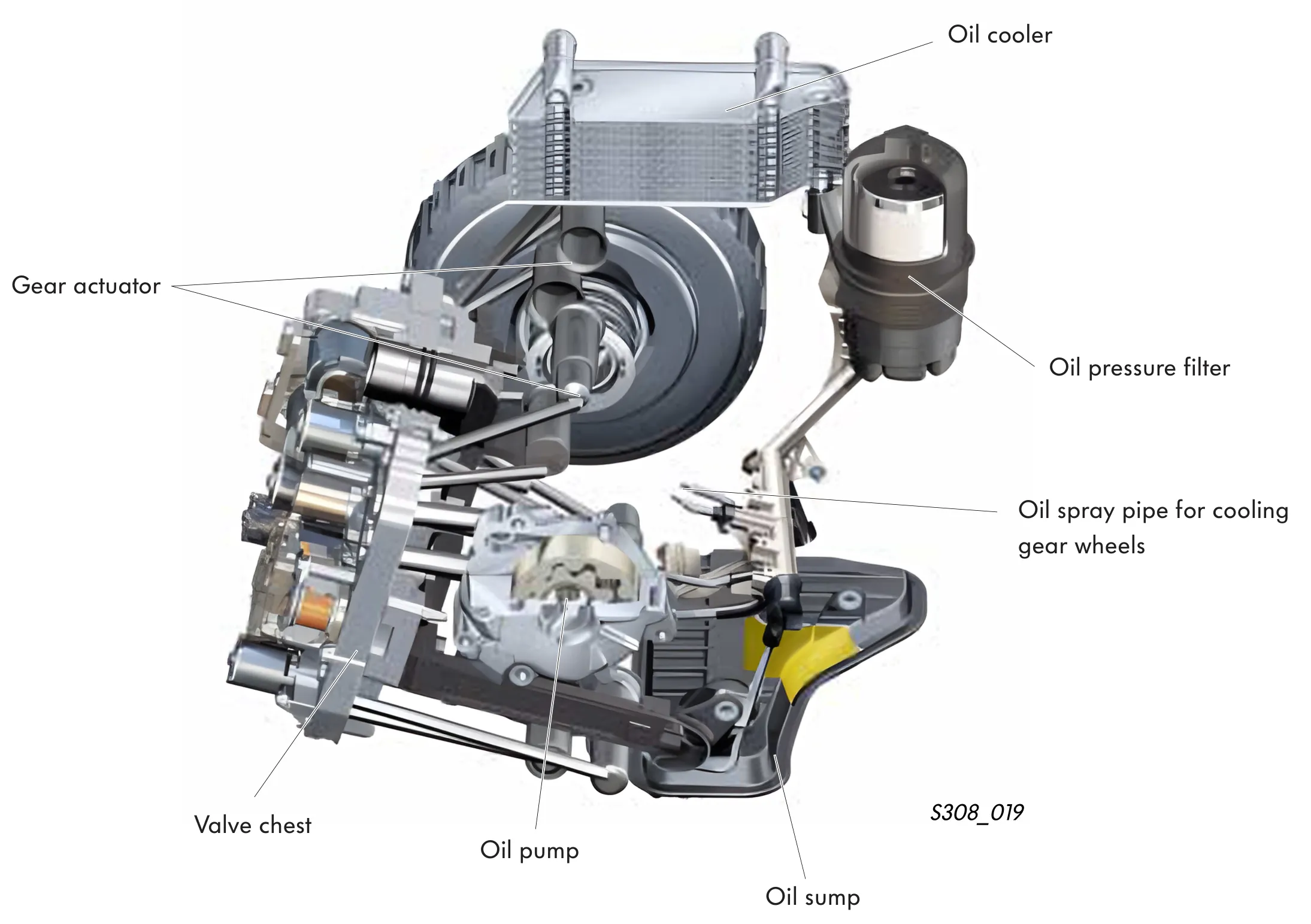
- Oil lubrication circuitOne oil for clutches, gears and hydraulics: the demands on it, the oil pump, the circuit diagram and its electro-hydraulic control.
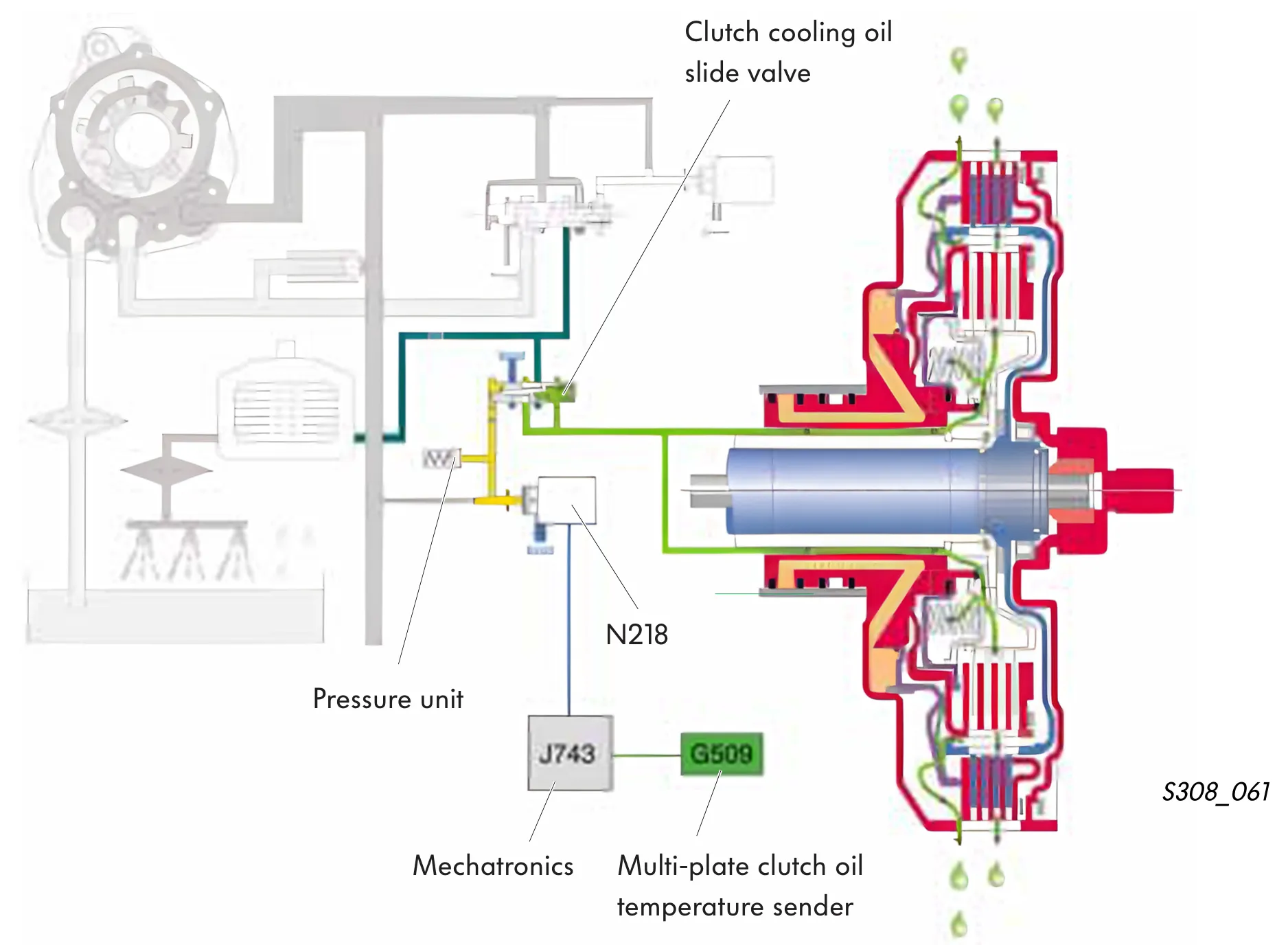
- Clutch cooling oil systemThe separate oil channel that cools the wet clutches and how sender G509 and valve N218 regulate the flow.
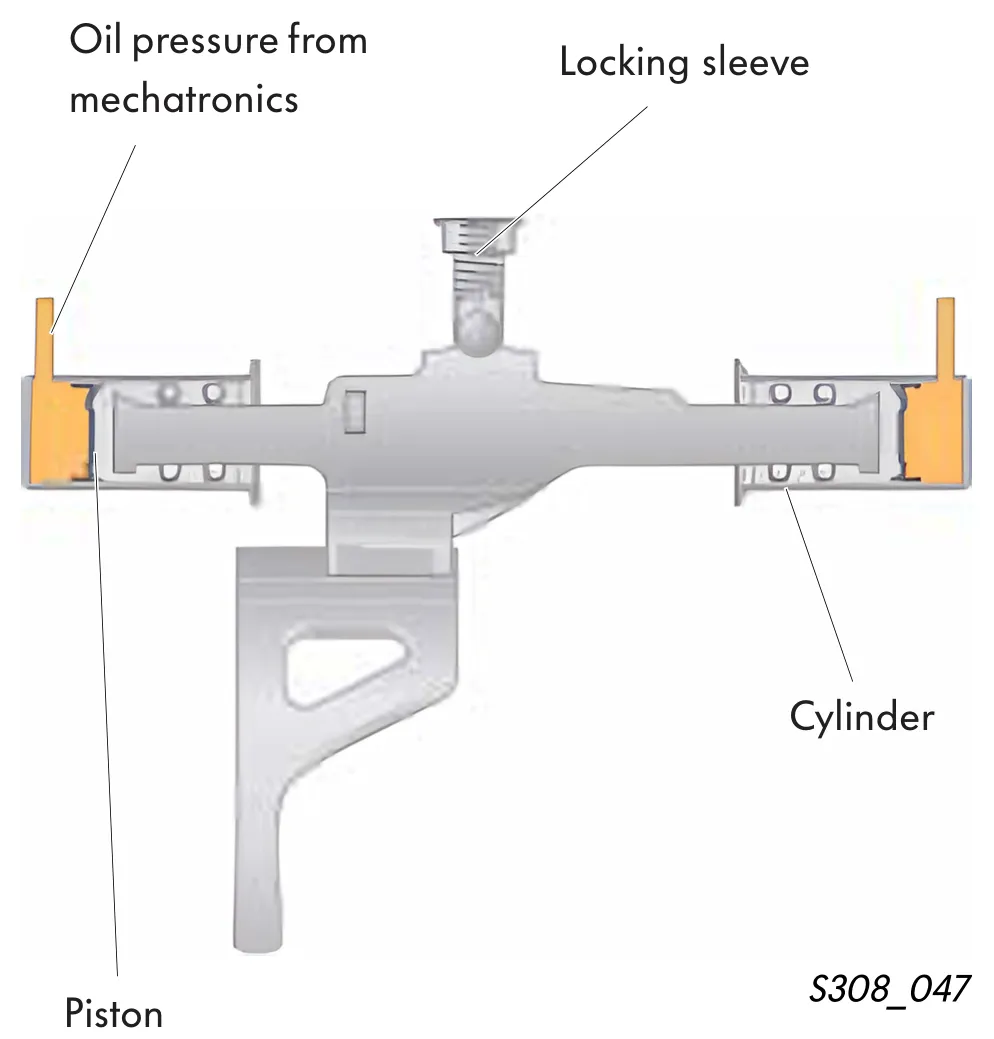
- Gear selectionSelector forks moved by oil pressure in two cylinders, held by a locking mechanism and watched through a permanent magnet.
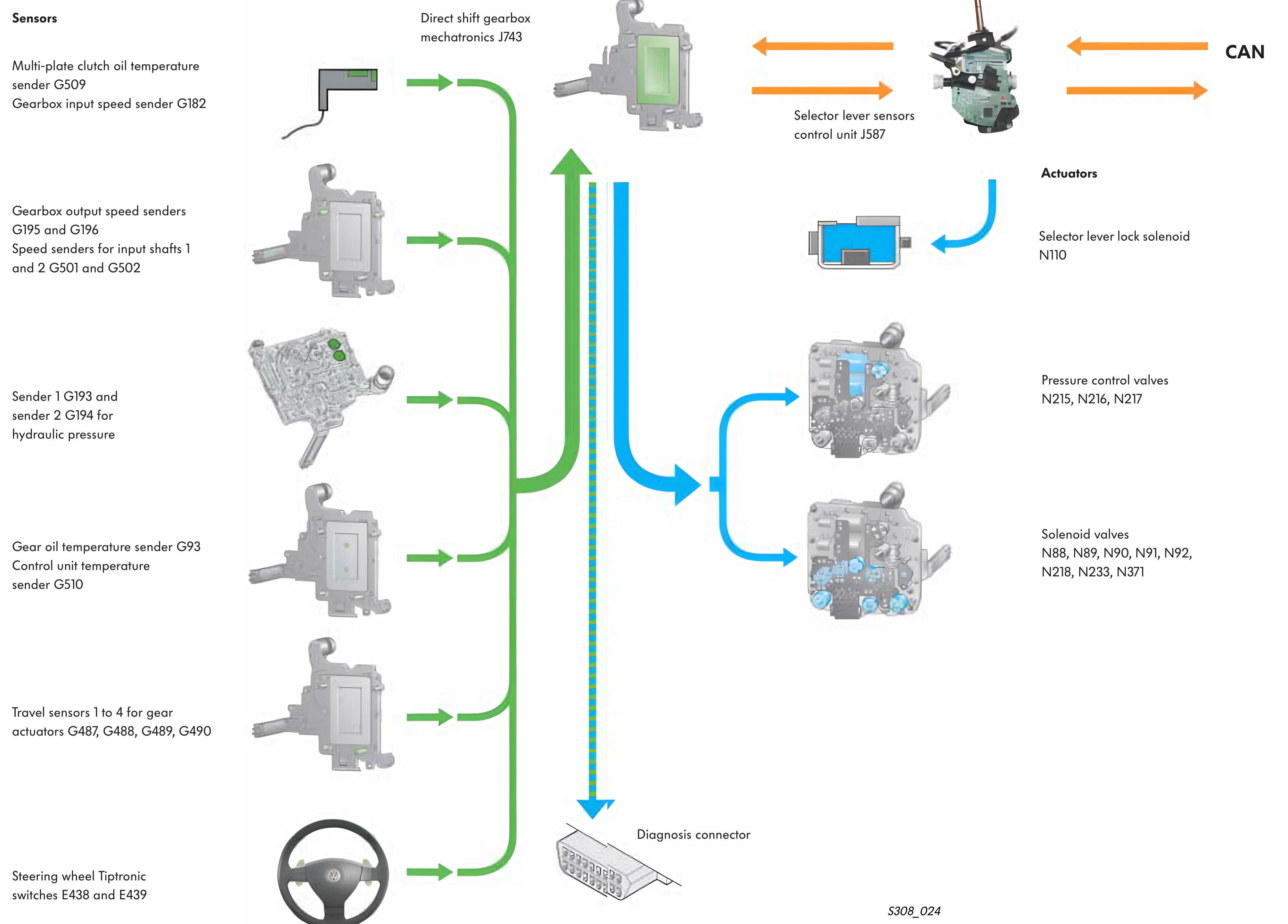
- System overviewAll sensors and actuators of the gearbox on one diagram, with the mechatronics, the selector lever and the CAN bus.
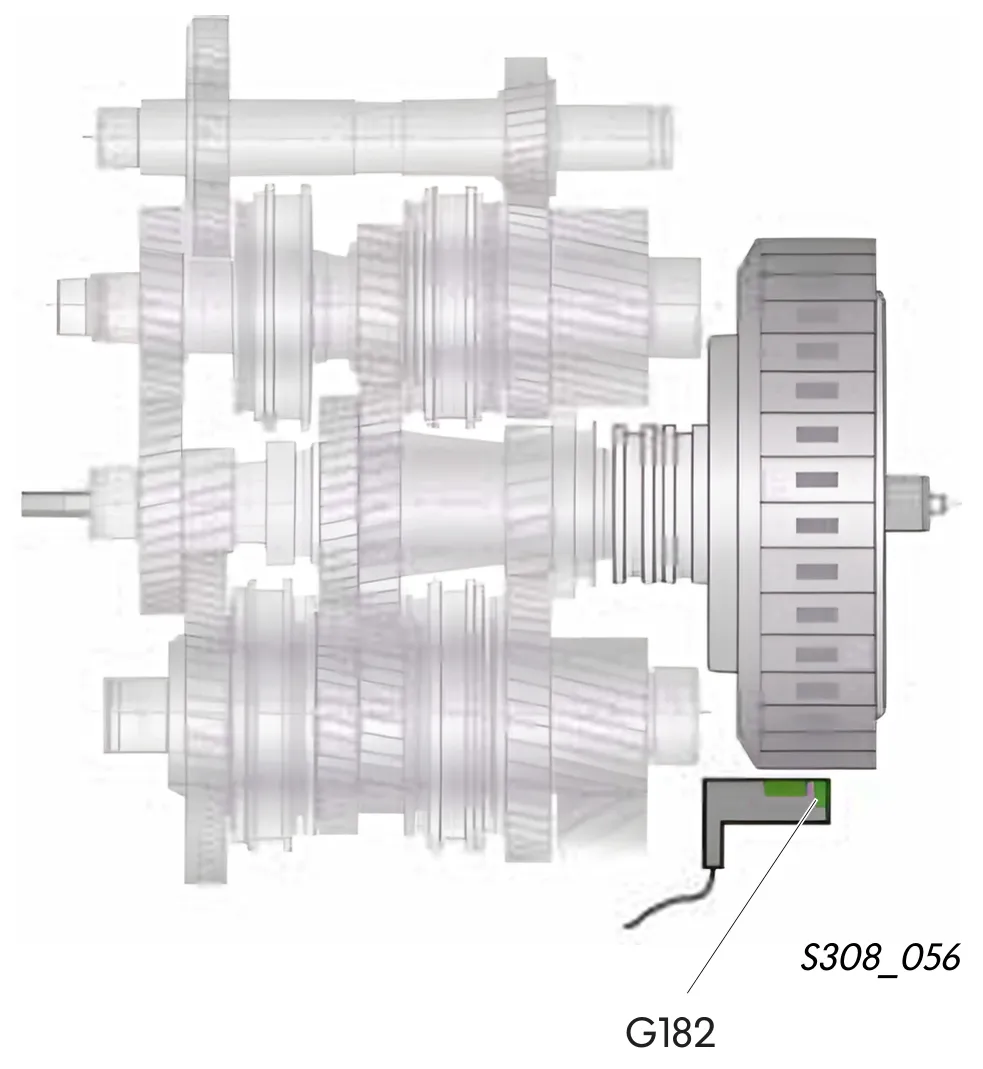
- SensorsSpeed, pressure, temperature and travel senders and the selector lever control unit: where they sit, what the signal does and what a failure causes.
- ActuatorsPressure control valves N215 to N218, N233 and N371 and solenoid valves N88 to N92: their task and the effects of a failure.
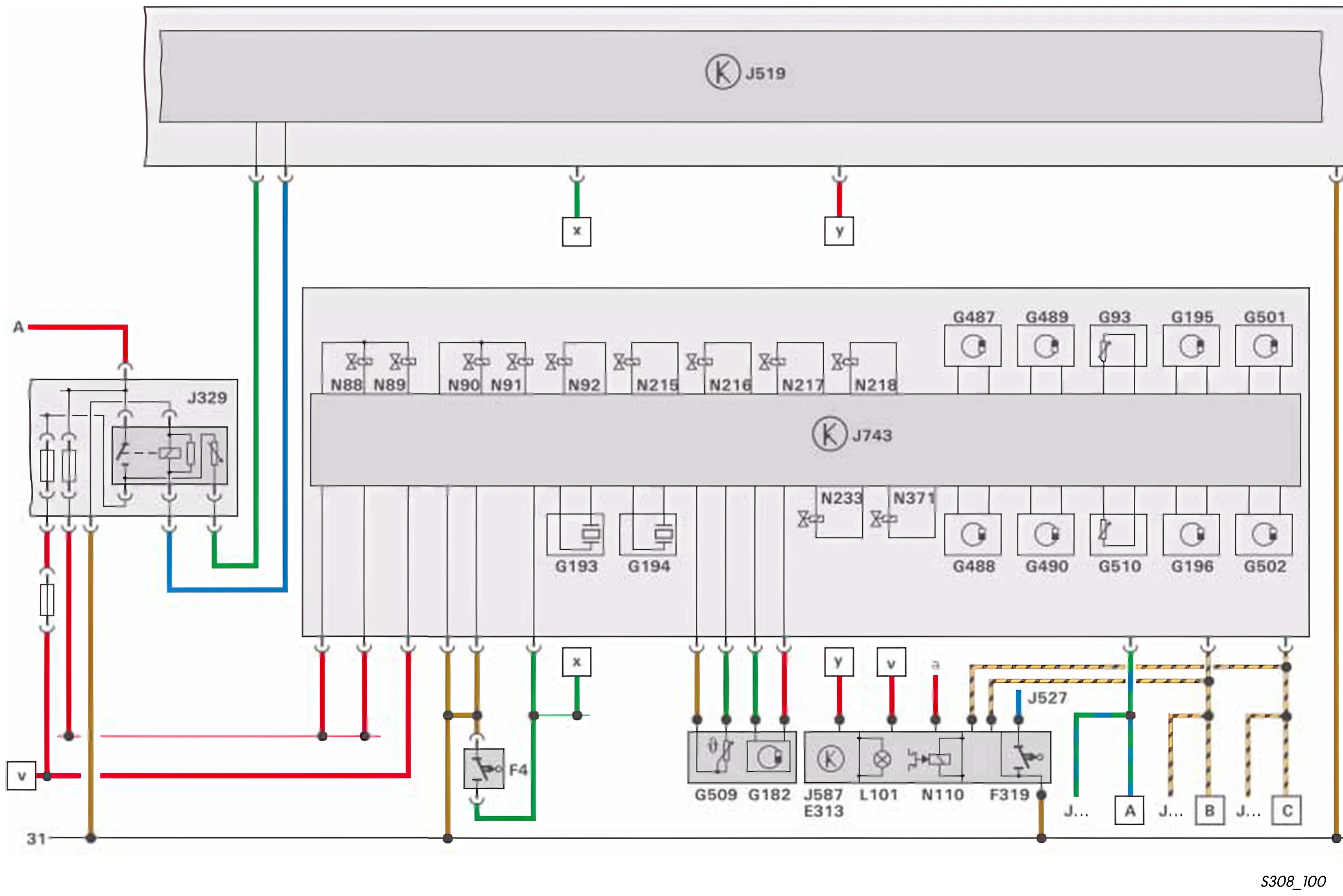
- Functional diagramThe wiring of the gearbox on the example of the Touran, with the list of components.
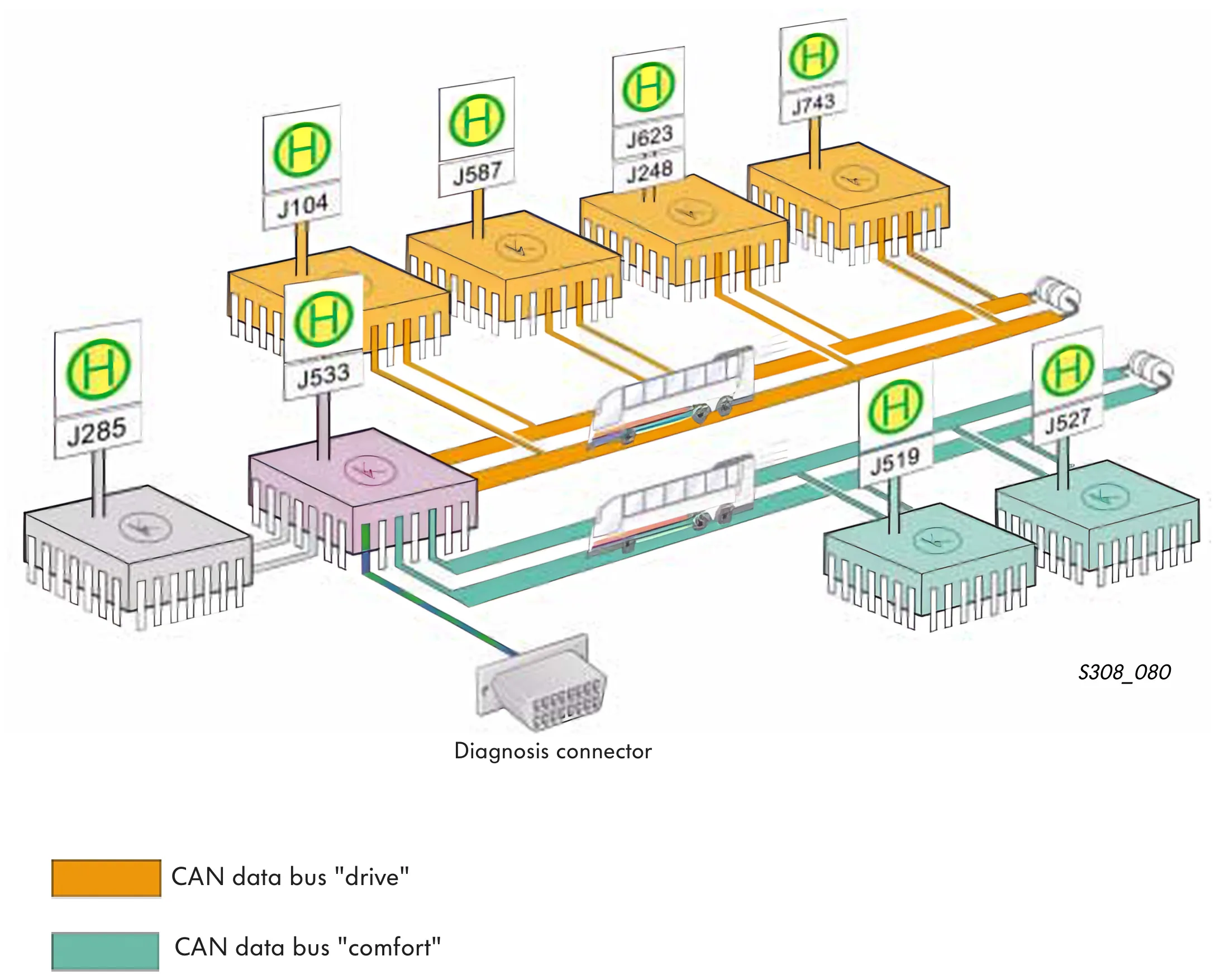
- CAN data bus connectionHow the mechatronics joins the drive and comfort CAN data buses and which control units share them.
- DiagnosisGuided fault finding and guided functions on VAS 5051, with the sensors, actuators and mechatronics faults it tests.
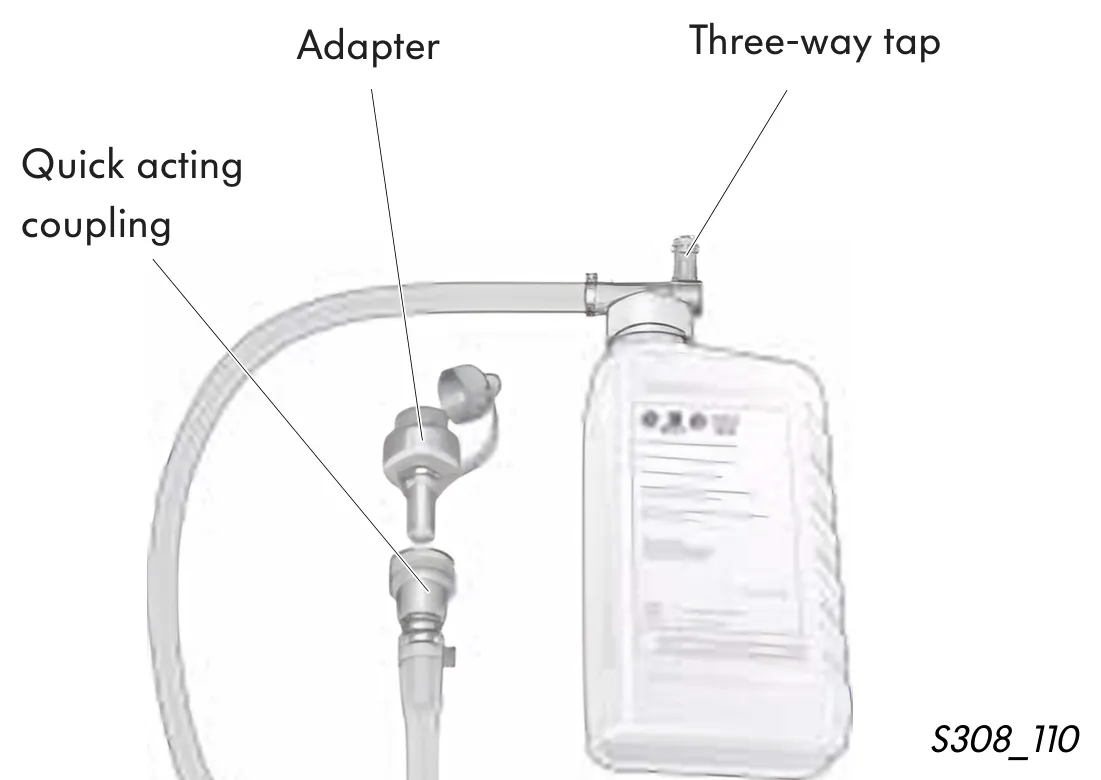
- ServiceSpecial tool VAS 6252 for checking and filling the DSG oil.
- Test yourselfThirteen questions on the direct shift gearbox, its clutches, oil circuit, mechatronics and senders, with the answers.